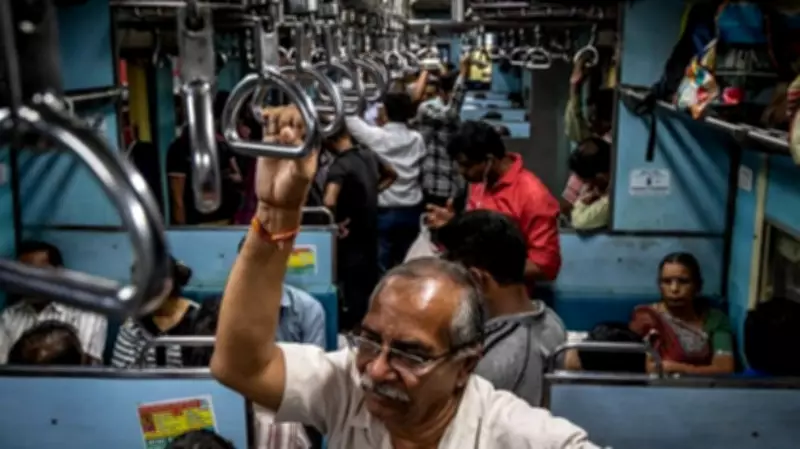
Indian Railways has announced a significant increase in the minimum penalty for ticketless travel, effective from July 1, 2026. The minimum fine will be doubled to Rs 500, as per amendments to Sections 137 and 138 of the Railways Act, 1989. These changes have been introduced under the Jan Vishwas Act, 2026.
Details of the Penalty Hike
The revised penalty structure aims to deter ticketless travel and ensure compliance with railway regulations. The minimum penalty for traveling without a valid ticket will now be Rs 500, up from the previous amount of Rs 250. This move is part of the government's efforts to streamline railway operations and enhance revenue collection.
The amendments to the Railways Act were passed as part of the Jan Vishwas Act, which seeks to decriminalize minor offenses and update penalties across various sectors. The changes to Sections 137 and 138 specifically address the issue of unauthorized travel and the production of forged tickets or passes.

Impact on Passengers
Passengers are advised to ensure they have valid tickets before boarding trains to avoid the enhanced penalty. The increased fine applies to all classes of travel and includes both reserved and unreserved compartments. Railway authorities have stated that strict enforcement measures will be implemented from July 1 onwards.
In addition to the minimum penalty, the maximum fine for ticketless travel may also be revised in some cases, depending on the distance traveled and the class of travel. Repeat offenders could face higher penalties or legal action.
Background of the Jan Vishwas Act
The Jan Vishwas Act, 2026, was introduced to reduce the compliance burden on citizens and businesses by decriminalizing minor offenses. The act amends multiple laws, including the Railways Act, to rationalize penalties and promote ease of living. The amendments to Sections 137 and 138 are part of this broader initiative.
Railway officials have emphasized that the penalty hike is not intended to burden passengers but to discourage fare evasion and maintain discipline. The revenue generated from fines will be used to improve railway infrastructure and services.
Passengers are encouraged to use digital ticketing options, such as IRCTC and UTS apps, to avoid last-minute hassles. The railway ministry has also launched awareness campaigns to educate the public about the new penalty structure.