

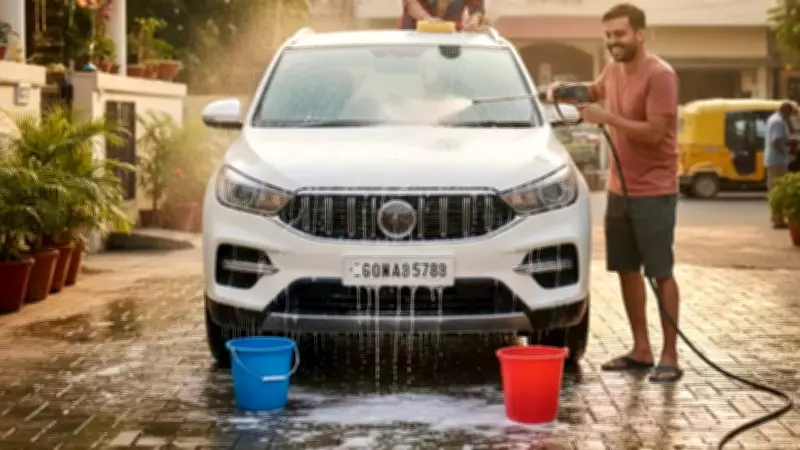
The Hidden Dangers of Washing Your Car at Home
Washing your car in your driveway or garage appears to be a straightforward and budget-friendly task. However, this seemingly simple chore can quickly turn into a costly nightmare if not performed correctly. Modern vehicles are sophisticated machines packed with advanced electronics, sensitive sensors, and delicate paint finishes. A hasty or careless washing session can inflict damage that far exceeds the expense of a professional detailing service.
1. Ignoring Waterflow and Sensitive Areas
One of the most prevalent errors is directing water into compartments that must remain dry. Contemporary automobiles feature intricate wiring harnesses, parking sensors, cameras, and lighting systems integrated throughout the body and engine bay. Forceful water intrusion into these zones can activate warning indicators or lead to component malfunctions. Such incidents occur more frequently than many car owners realize. Rectifying electrical faults is typically neither swift nor inexpensive, often requiring specialized diagnostics and parts replacement.
2. Risking Hydrolock Through Improper Spraying
Another severe hazard involves water penetrating the engine air intake. While cleaning the front grille or bumper, high-pressure water can be inadvertently forced into the intake system. In extreme scenarios, this may cause hydrolock, where the engine ceases operation due to water ingestion. Although rare, the consequences are devastating, potentially resulting in engine seizure and astronomical repair costs. Experts strongly advise against aiming water jets directly at the grille area to prevent this catastrophic failure.

3. Overlooking the Fuel Cap Seal
The fuel filler cap is a small yet critical component that many neglect during washing. If not securely fastened, water can infiltrate the filler neck or even the fuel tank itself. Even minimal water contamination in petrol or diesel can disrupt engine performance, leading to symptoms like rough idling, misfires, and reduced power. Addressing this issue usually necessitates a trip to a service center for fuel system flushing and inspection, adding unexpected expenses.
4. Using Inappropriate Cleaning Products and Tools
Employing incorrect cleaning agents inflicts gradual but significant harm to your vehicle's exterior. Common household detergents, such as dish soap, may appear effective but actually strip away protective wax layers and clear coat finishes. Over time, this causes the paint to lose its luster and become more susceptible to environmental hazards like UV radiation, abrasive scratches, and corrosive bird droppings. Investing in a pH-balanced car shampoo and dedicated microfiber cloths is essential for preserving your car's aesthetic appeal and resale value.
5. Neglecting Proper Washing Techniques and Timing
The methodology and timing of your car wash are equally important. Using a single bucket for both soap and rinse water reintroduces dirt particles onto the paint surface, creating fine swirl marks and scratches. Additionally, washing under intense sunlight accelerates water and soap evaporation, leaving unsightly residue and water spots on the clear coat. Opting for a shaded location, utilizing a two-bucket system, and drying with clean, soft towels can mitigate these risks and ensure a flawless finish.
In summary, while home car washing offers convenience and potential savings, it demands careful attention to detail. Avoiding these five common pitfalls can protect your investment, maintain your vehicle's performance, and prevent expensive repairs down the road. Always prioritize gentle techniques, suitable products, and thorough drying to keep your car in pristine condition.






