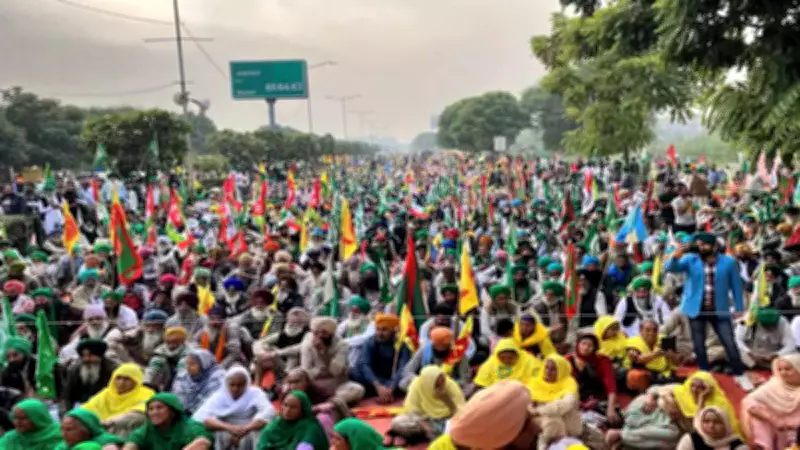
Massive Bharat Bandh Scheduled for February 12, 2026
Trade unions across India have announced a comprehensive Bharat Bandh set to take place on February 12, 2026. This nationwide strike is anticipated to draw participation from an estimated 30 crore workers, making it one of the largest labor protests in recent history. The bandh is organized to voice collective grievances over pressing economic and employment-related matters affecting the workforce.
Key Demands and Expected Impact
The primary demands driving this massive mobilization include calls for higher wages, improved working conditions, and stronger social security measures. Trade unions are also advocating for policies that address inflation and job security, which have become critical concerns for millions of employees. The strike is expected to significantly disrupt normal activities, with potential impacts on transportation, banking services, and industrial operations nationwide.
Organizational Efforts and Public Response
Leading trade unions have been actively coordinating to ensure widespread participation, leveraging digital platforms and grassroots networks to mobilize support. Public response has been mixed, with some sectors expressing solidarity while others anticipate inconveniences. Authorities are preparing contingency plans to mitigate disruptions, but the scale of the protest suggests substantial challenges ahead.

Historical Context and Future Implications
This Bharat Bandh follows a series of similar labor actions in recent years, reflecting ongoing tensions between workers' rights and economic policies. The outcome of this strike could influence future government negotiations and labor reforms, potentially shaping the trajectory of industrial relations in India. Observers are closely monitoring developments, as the protest underscores the growing assertiveness of trade unions in advocating for worker welfare.