Industrialist Evacuated by Helicopter from 18-Hour Mumbai-Pune Expressway Gridlock
In a dramatic incident highlighting infrastructure vulnerabilities, a prominent industrialist resorted to helicopter evacuation after being trapped for hours in a massive traffic jam on the Mumbai-Pune Expressway. The gridlock, caused by a gas tanker accident, stranded thousands of commuters and exposed critical gaps in emergency response planning.
Entrepreneur's Harrowing Experience and Emergency Escape
Dr Sudhir Mehta, Chairman of EKA Mobility and Pinnacle Industries, found himself among the countless vehicles immobilized on the crucial highway corridor. After enduring an exhausting eight-hour wait without progress, he documented the crisis on social media platform X, revealing the severity of the situation.
"Lacs of people are stuck on the #Mumbai #Pune expressway for the last 18 hours for 'one gas tanker,'" Mehta stated in his post, emphasizing the disproportionate impact of a single incident on vital transportation infrastructure.

Faced with this challenging circumstance, the Pune-based entrepreneur sought assistance from aviation expert Nitin Welde, who facilitated his evacuation via helicopter. Mehta expressed gratitude for this intervention while simultaneously calling attention to the need for systematic emergency measures.
Urgent Calls for Infrastructure Improvements and Emergency Planning
Drawing from his firsthand experience, Dr Mehta proposed concrete solutions to prevent similar crises in the future. His recommendations include:
- Construction of strategically located helipads along expressway corridors for emergency evacuations
- Development of emergency exits at various points that can be activated during critical situations
- Implementation of mandatory emergency planning protocols for high-traffic transportation routes
"These need to be mandatory at various points near the expressway for emergency evacuation," Mehta emphasized, noting that helipad construction requires less than one acre of open space and costs under ₹10 lakhs—a relatively modest investment for potentially life-saving infrastructure.
Root Cause: Gas Tanker Accident Creates Prolonged Chaos
The disruption originated around 5:00 PM on Tuesday when a tanker transporting highly flammable propylene gas overturned near the Adoshi tunnel in Raigad district's Khandala Ghat section. The hazardous nature of the leaked substance necessitated complete suspension of traffic movement as safety precautions.
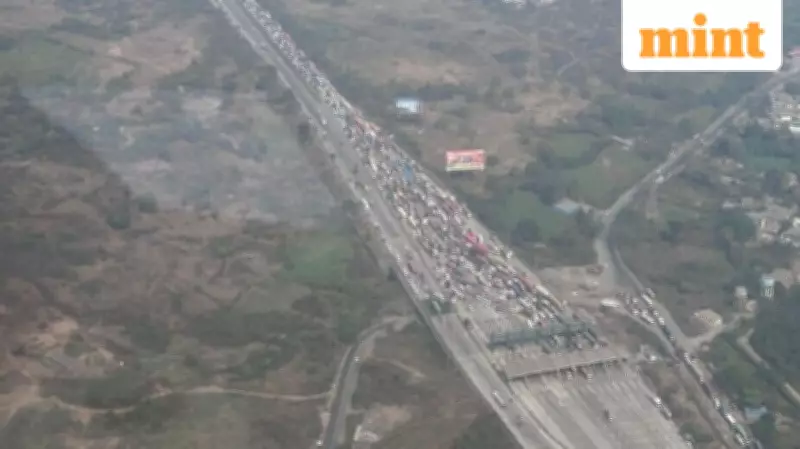
According to Maharashtra State Road Development Corporation officials, the Mumbai-bound carriageway remained closed for approximately 33 hours before restoration at 1:46 AM on Thursday. During peak congestion, the vehicular backlog extended an astonishing 20 kilometers along the expressway.
Commuters endured extreme hardship throughout the ordeal, with many lacking access to basic necessities including food, water, and sanitation facilities. Particularly vulnerable passengers—including women, children, and elderly travelers—remained confined to their vehicles throughout the prolonged standstill.
Broader Implications for Transportation Infrastructure
This incident underscores several critical issues facing India's rapidly expanding transportation networks:
- The vulnerability of major economic corridors to single-point failures
- Inadequate emergency response mechanisms for mass-scale disruptions
- Limited evacuation options during prolonged highway closures
- Need for integrated disaster management planning for critical infrastructure
Dr Mehta's aerial photographs of the extensive traffic jam provided visual evidence of the crisis magnitude, further strengthening his argument for infrastructure improvements. His experience has sparked broader conversations about emergency preparedness on India's busiest transportation routes.
As urban connectivity expands across Maharashtra and other rapidly developing regions, this incident serves as a stark reminder that infrastructure development must include comprehensive emergency planning. The entrepreneur's unconventional evacuation method highlights both individual resourcefulness and systemic shortcomings that require urgent attention from transportation authorities.