

Haryana Greenlights Major Kinnow Juice Processing Plant in Sirsa to Enhance Agricultural Value
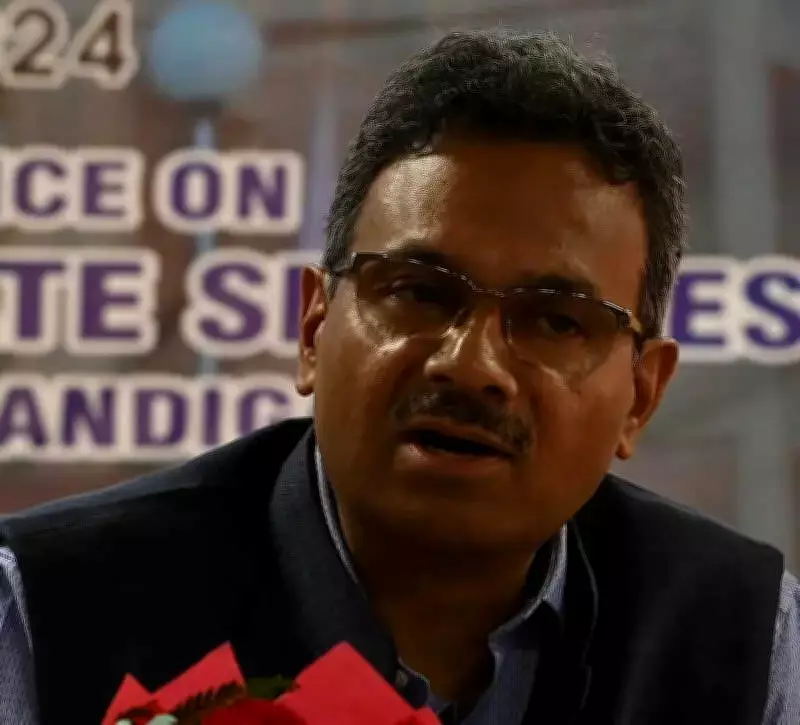
In a strategic move to bolster value-addition in the agricultural sector, the Haryana government has taken a decisive step forward. Chief Secretary Anurag Rastogi chaired a high-level meeting of the Committee of Secretaries on Infrastructure (CoSI) in Chandigarh on Monday. The primary agenda was to advance plans for establishing a state-of-the-art kinnow juice processing plant in Sirsa, operating under a public-private partnership (PPP) model.
Project Details and Investment Framework
The proposed facility, which was initially announced in the state budget, is slated to be constructed at the Vita Milk Plant premises in Sirsa. With a total investment of Rs 26.3 crore, this initiative represents a significant commitment to modernizing Haryana's agricultural infrastructure. During the meeting, officials underscored that the project is structured to ensure benefits for all involved parties, featuring a 33-year concession period under the PPP framework.
Key operational aspects include:

- Haryana Dairy will allocate approximately three acres of land for the plant's setup.
- A private partner will be responsible for installing the necessary plant and machinery, along with civil infrastructure, and will manage the plant's daily operations.
- The initial focus will be on establishing a fruit and vegetable processing industry, with potential exploration of agri-based processing ventures in the future.
Boosting Kinnow Production and Farmer Prosperity
Rohit Yadav, Managing Director of the Haryana Dairy Development Cooperative Federation, provided critical insights into the state's kinnow production. Haryana yields around 4.4 lakh metric tonnes of kinnow annually, with Sirsa alone contributing nearly 55% of this total output. The new processing plant is designed to handle approximately 9,000 MT of kinnow and 12,600 MT of other fruits each year, producing premium packaged juice.
A pivotal aspect of this project is its direct impact on farmers. It is estimated that nearly 25% of kinnow production—primarily consisting of B-grade fruit that previously fetched lower market prices—will now be channeled into value-added processing. This shift is expected to substantially increase farmers' income by providing a reliable outlet for lower-grade produce. Procurement of raw materials will be exclusively sourced from farmers within Haryana, reinforcing a farmer-centric approach.
A Model for Sustainable Rural Development
Chief Secretary Anurag Rastogi emphasized that this initiative serves as a exemplary model of convergence between government infrastructure, cooperative institutions, and private enterprise. By leveraging these synergies, the project aims to generate sustainable rural income and promote economic growth in the region. This collaborative effort not only addresses immediate agricultural challenges but also sets a precedent for future public-private collaborations in India's agri-processing sector.






