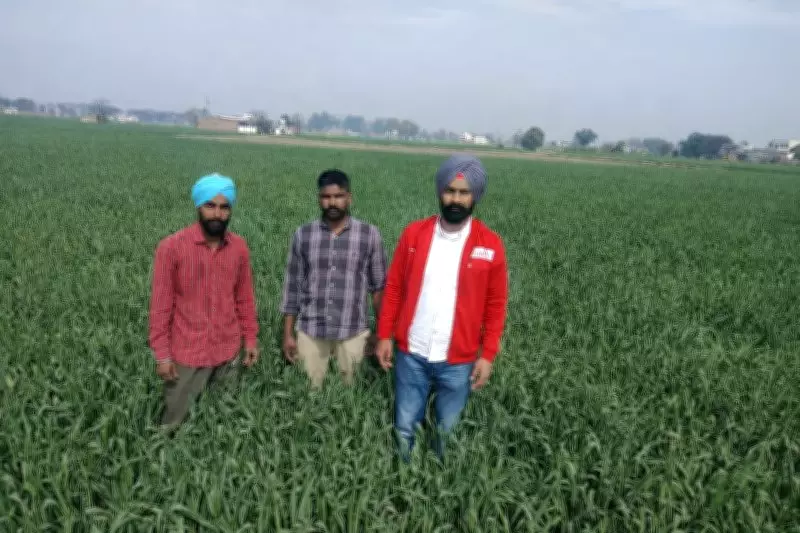
Heatwave Alarms Agricultural Department Over Wheat Crop in Punjab
Agricultural officials in Punjab are growing increasingly worried as a persistent heatwave threatens to impact the wheat crop across the region. With temperatures soaring earlier than usual, there are fears that this could lead to reduced yields and compromised grain quality, potentially affecting both farmers and the state's agricultural output.
Concerns Over Premature Maturation and Yield Loss
The primary concern revolves around the premature maturation of wheat due to excessive heat. Typically, wheat requires a specific temperature range for optimal growth and grain filling. However, the current spike in temperatures is causing the crop to mature faster than expected, which can result in shriveled grains and lower weight. This not only diminishes the quantity of the harvest but also affects the quality, making the wheat less suitable for consumption and market sale.
Officials from the Agricultural Department have been closely monitoring the situation, noting that early signs of stress are already visible in some fields. They emphasize that if the heatwave continues, it could lead to significant economic losses for farmers who rely heavily on wheat as a staple crop. The department is urging farmers to adopt precautionary measures, such as timely irrigation and the use of heat-resistant varieties, to mitigate the adverse effects.

Regional Impact and Departmental Response
In districts like Amritsar, the impact is particularly pronounced, with reports of wheat crops showing signs of heat stress. The Agricultural Department has deployed teams to assess the damage and provide on-ground support to affected farmers. Additionally, advisories have been issued to guide farmers on best practices during such extreme weather conditions, including adjusting sowing times and utilizing protective sprays.
The department is also collaborating with meteorological agencies to receive timely weather updates, enabling them to issue alerts and recommendations proactively. This coordinated effort aims to minimize the heatwave's impact and safeguard the wheat crop, which is crucial for Punjab's economy and food security.
Broader Implications for Agriculture and Economy
The potential reduction in wheat yield due to the heatwave has broader implications beyond individual farms. Punjab is a major contributor to India's wheat production, and any significant drop in output could affect national food supplies and prices. This situation underscores the vulnerability of agriculture to climate change and the need for adaptive strategies to cope with increasingly erratic weather patterns.
Agricultural officials stress the importance of long-term planning, including the development of heat-tolerant crop varieties and improved irrigation infrastructure. They also highlight the role of government schemes and subsidies in supporting farmers during such crises, ensuring that they have the resources to recover and sustain their livelihoods.
As the heatwave persists, the Agricultural Department remains vigilant, continuously evaluating the situation and updating their strategies to protect the wheat crop. Farmers are advised to stay informed and follow official guidelines to navigate this challenging period effectively.