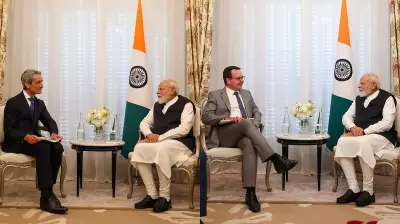
IMM India 2026: A Strategic Leap for India's Furniture and Interiors Industry
The Indian furniture and interiors industry is poised for a transformative shift with the announcement of IMM India 2026, a landmark initiative designed to propel the sector into a position of global leadership. This ambitious plan focuses on enhancing export capabilities, fostering innovation, and strengthening international partnerships to capitalize on India's growing manufacturing prowess and design talent.
Boosting Exports and Economic Growth
IMM India 2026 aims to significantly increase India's share in the global furniture market, which is currently valued at over $500 billion. By leveraging the country's cost-effective production methods and skilled workforce, the initiative targets a substantial rise in furniture exports, contributing to economic growth and job creation. Key strategies include improving supply chain efficiency, adopting sustainable practices, and promoting 'Make in India' products on the world stage.
Fostering Innovation and Design Excellence
At the heart of IMM India 2026 is a commitment to innovation and design excellence. The initiative encourages collaboration between industry stakeholders, designers, and technology experts to develop cutting-edge products that meet international standards. Emphasis is placed on incorporating smart technologies, eco-friendly materials, and ergonomic designs to enhance competitiveness and appeal to global consumers.

Strengthening International Collaboration
To achieve its goals, IMM India 2026 promotes active engagement with global markets through trade fairs, exhibitions, and bilateral agreements. This facilitates knowledge exchange, attracts foreign investment, and opens new avenues for Indian furniture brands to expand their reach. The initiative also supports small and medium enterprises (SMEs) by providing access to international networks and resources.
Challenges and Opportunities Ahead
While IMM India 2026 presents immense opportunities, challenges such as infrastructure gaps, regulatory hurdles, and intense global competition must be addressed. However, with government support and industry commitment, the initiative is expected to overcome these obstacles, positioning India as a key player in the global furniture and interiors landscape by 2026.