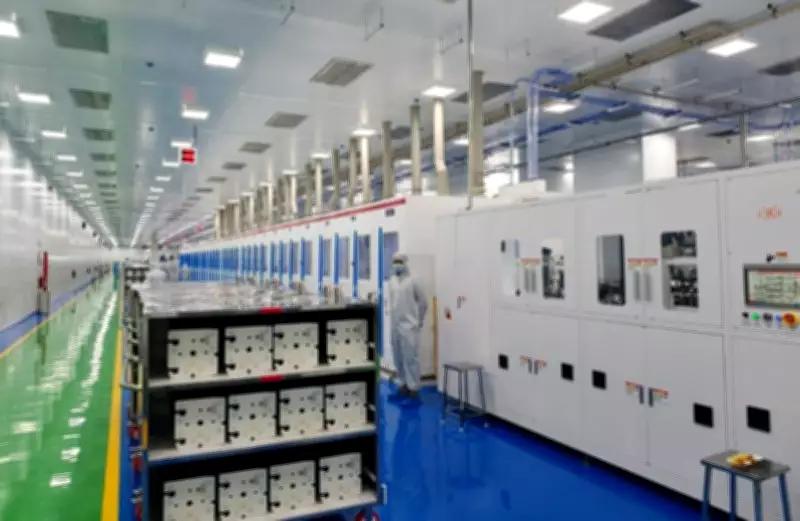
Jupiter International Limited, a leading Indian solar cell manufacturer, inaugurated its Unit IV at the Baddi manufacturing campus in Himachal Pradesh on June 25, 2026, adding 1.25 GW of TOPCon (Tunnel Oxide Passivated Contact) solar cell capacity to active production. The new unit represents a significant technological upgrade, enabling the company to deliver next-generation, high-efficiency solar cells at scale as the market shifts toward higher efficiency benchmarks and performance-driven procurement.
Expansion and Technological Leap
This milestone builds on Jupiter’s recent expansion at Baddi, where the company commissioned its third solar cell manufacturing unit earlier in 2026, adding 1 GW of mono PERC capacity and bringing total installed capacity to nearly 2 GW. With Unit IV now operational, Jupiter accelerates its transition from scaling capacity to scaling advanced capability. TOPCon technology is widely regarded as the next phase of mainstream solar cell manufacturing, offering stronger efficiency potential and improved long-term performance outcomes.
CEO Statement on Strategic Importance
“By bringing 1.25 GW of TOPCon capacity into production, we are scaling next-generation cell technology that raises the bar on efficiency and long-term performance. We are doing this with a clear focus on manufacturing excellence, sustainability consciousness and high-skilled job creation. It provides a technology platform on which Jupiter is scaling up to build a 3 GW TopCon ++ performance fab to be commissioned in Nagpur at the end of the year,” informed Dhruv Sharma, Chief Executive Officer of Jupiter International Limited.

Impact on India’s Clean Energy Transition
With Unit IV, Jupiter International continues to deepen its role in India’s clean energy transition by strengthening domestic solar cell capability and accelerating high-efficiency technology adoption at scale. The company’s focus on TOPCon technology aligns with global trends toward higher efficiency solar cells, supporting India’s renewable energy targets and reducing dependence on imports.