Pune Metro Launches Ambitious Double-Decker Project to Resolve Nagar Road Traffic Woes
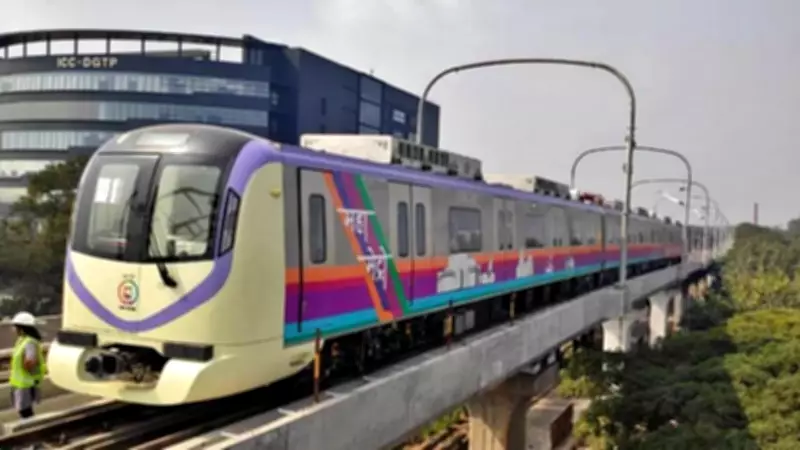
The Pune Metro has embarked on a transformative infrastructure initiative, commencing the second phase of work with the construction of a 4.7-kilometer double-decker elevated stretch. This innovative project aims to merge a six-lane flyover at the first level with an elevated Metro rail line above, specifically designed to address the persistent traffic nightmares on Nagar Road.
Project Details and Strategic Significance
This latest endeavor will extend from Ramwadi to Tuljabhavani, integrating with the proposed line at Kharadi bypass station and a spur line at Viman Nagar that is planned to reach Pune Airport. Atul Gadgil, Executive Director of Pune Metro, emphasized the scale of the project, stating, "We have started the process of developing the flyover-cum-Metro rail route on the Nagar road stretch. It is a very big work as the Metro stations would be constructed above the flyovers on the route."
The double-decker design ensures a minimum statutory vertical clearance of 5.5 meters between the Metro and the elevated road, facilitating smooth traffic flow. This configuration is expected to significantly alleviate congestion on the highway connecting Pune to Ahilyanagar, enhancing connectivity for commuters and reducing travel time.

Third Double-Decker Project in Pune
This marks the third such double-decker project in the city, following the Karve Road project, which spans metro stations between SNDT University and Garware College, and the Ganeshkhind Road project, which has already become partially operational. The new stretch will feature four key stations:
- Vimannagar
- Somnathnagar
- Kharadi bypass
- Tuljabhavani
Construction activities will include the erection of platform and concourse girders, casting of deck slabs, and meticulous planning to avoid disruption to existing roads, railways, and utilities. Gadgil assured, "Where work is required to be carried out at locations adjacent to such roads, railways, utilities, structures, and monuments, suitable safety and protection arrangements will be ensured."
Future-Proof Infrastructure and Broader Metro Expansion
The elevated road is initially proposed as a six-lane configuration but includes provisions for future widening to eight lanes, accommodating anticipated growth in traffic volume. This forward-thinking approach aligns with Pune's rapid urban development and increasing vehicular density.
In a broader context, the Pune Metro continues to expand its network. The Central government approved the extension of the Vanaz-Ramwadi route to Chandni Chowk and Wagholi in June last year. Additionally, work on extending the Pimpri Chinchwad-Swargate route to Bhakti Shakti and Katraj is underway, aiming to serve IT hubs, commercial areas, educational institutions, and residential pockets. These extensions are projected to boost public transport ridership across the network.
Furthermore, the Metro has initiated work on a 1,123-meter extension from Vanaz to Chandni Chowk, featuring two new stations—Kothrud Depot and Chandni Chowk—with plans for a small flyover on the first level of the Metro route.
Impact on Urban Mobility and Economic Growth
The double-decker project represents a critical step in Pune's infrastructure evolution, promising to transform Nagar Road into a more efficient corridor. By integrating road and rail transit, it not only addresses immediate traffic concerns but also supports sustainable urban mobility, reducing carbon emissions and promoting public transport adoption.
This initiative is part of a larger vision to enhance Pune's connectivity, foster economic growth, and improve the quality of life for residents. As the city prepares for upcoming civic polls and continues its infrastructure boom, projects like this underscore the commitment to building a modern, resilient urban landscape.