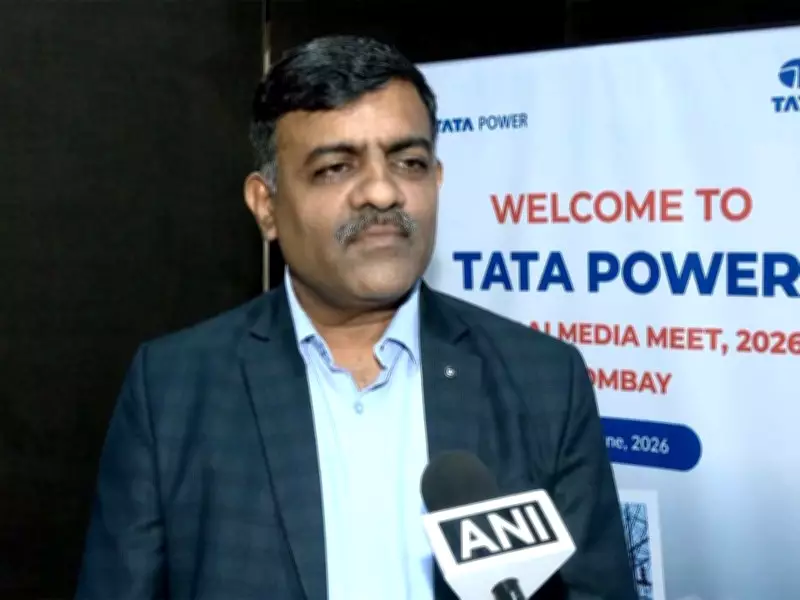
Tata Power has announced a definitive plan to significantly reduce its reliance on coal by 2029 while simultaneously upgrading Mumbai's power network to meet soaring urban energy demands and accelerate India's green transition.
Key Announcement by Dr Nilesh Kane
Dr Nilesh Kane, Chief-Transmission and Mumbai Distribution at Tata Power, revealed the roadmap during a press conference in Mumbai. He stated that the company is reducing coal dependency by strengthening renewable power availability from the market.
A major strategic re-evaluation is planned after 2029, balancing national and green perspectives. While maintaining local generation capacity for reliable baseline power, the company is pivoting heavily toward sustainable alternatives.

Rising Energy Demand in Mumbai
The transition comes as the Mumbai Metropolitan Region faces soaring power needs, driven largely by rapid data centre growth. Currently, Tata Power delivers 1,877 MW daily, meeting 25% of Mumbai's total demand.
Mumbai's peak daily demand reached 4,642 MW this year and is projected to hit 6,500 MW by 2031, a 40% increase. Tata Power expects its own network peak demand to rise to 2,000 MW by FY31.
Green Energy Initiatives
To bridge this gap cleanly, Tata Power has secured approvals for 250 MW of hydropower renewable energy and a 150 MW solar plant. These projects will help meet the government-mandated 37% green power obligation and move toward a 70% clean energy target by 2031.
Dr Kane noted that integrating hybrid power and battery storage will enable round-the-clock green electricity supply.
Competition and Consumer Concerns
Addressing intense competition among Mumbai DISCOMs, including EML, Adani, BEST, and Tata Power, Dr Kane emphasized that retaining market share is a challenge. The company is countering rivals with lower tariffs, superior customer service, and value-added services like safety training for customer technicians.
Regarding electricity bill disparities, Dr Kane attributed differences to varying consumption habits, appliance types, and usage patterns. Tata Power is providing deeper consumption insights and encouraging energy-efficient appliances.
Investment and Future Outlook
Tata Power plans to invest Rs 15,000 crore over the next five years in transmission and distribution upgrades across the Mumbai Metropolitan Region. The company is prepared to import green power from outside the state if necessary to ensure reliable and sustainable power for Mumbai.