In the wake of the US-Iran understanding for a peace deal and the signing of a memorandum of understanding (MoU), the Trump administration has quietly allowed the sanctions waiver for Russian crude oil to lapse. US President Donald Trump had earlier this week hinted that sanctions on Russian oil could be reinstated once the Strait of Hormuz opens and normalizes global oil supplies.
Background of Sanctions
Last year, the Trump administration imposed sanctions on Russian energy giants Rosneft and Lukoil as part of efforts to pressure Moscow to end the war in Ukraine by restricting a key source of revenue. Russia remains one of the world's largest oil exporters, alongside the US and Saudi Arabia.
Impact on India
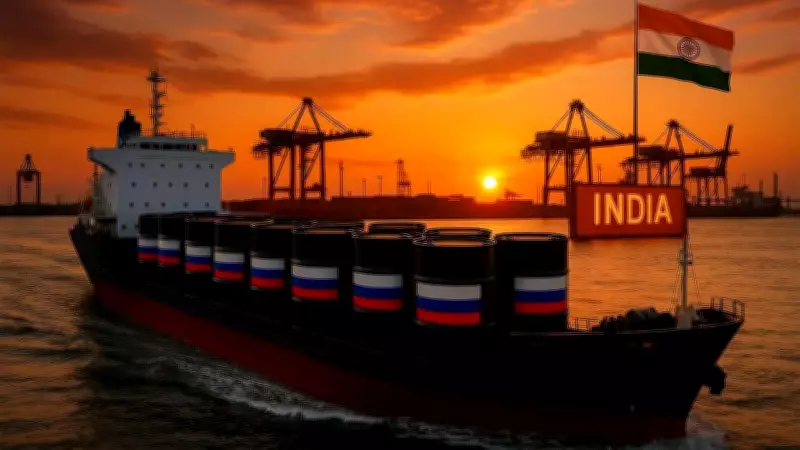
The sanctions waiver, in place since almost the start of the US-Iran conflict, had benefitted India, which depends on the Middle East for a significant portion of its crude oil supplies. While India has emphasized that its oil procurement decisions are driven by energy security needs, the sanctions waiver made Russian crude oil economical for purchase.

Waiver Expiration Details
The US Treasury did not issue an extension on Wednesday for its sanctions waiver covering Russian seaborne oil, which expired at midnight, according to a Reuters report. However, neither President Donald Trump nor senior administration officials clarified whether the lapse would result in the sanctions being reinstated. The waiver had been introduced during the conflict with Iran to help vulnerable economies manage the energy crisis by allowing access to Russian oil. With Washington and Tehran having now reached a memorandum of understanding aimed at ending the war and restoring Middle Eastern oil supplies to global markets, the policy could be reassessed.
Speaking to reporters at the G7 summit in France, Trump declined to provide a definitive answer on the possible return of sanctions against Russia. He said the administration was monitoring the situation and watching how far oil prices decline, noting that crude prices had been falling sharply.
A day earlier, Trump had suggested that ending the waiver and allowing sanctions to return could become feasible once oil supplies from the Middle East resumed normal flows. In the past, the US has occasionally allowed the waiver to lapse before renewing it a few days later.
What It Means for India
Since the Russia-Ukraine war began in 2022, Moscow emerged as a key crude supplier for India, selling oil at discounted rates as Europe restricted imports. At one point, Russia accounted for around 40% of India’s crude oil imports. However, after the Trump administration's sanctions in late 2025, India’s imports of Russian crude started declining, with the lowest levels in several years seen in February. However, before a clear trend could emerge, the Middle East conflict began and India stepped up procurement of Russian crude, with imports reaching near peaks seen in 2023.
For India, a return of sanctions means a reorientation of its crude oil import strategy. Two factors work in the country’s favor at this point: the crude oil basket is diversified to include around 40 countries, and second, and most importantly, once trade flows through the Strait of Hormuz return to normalcy, crude oil from the Middle East would be back to fill the gap left by declining Russian supplies.
Yet another significant development is that, according to the US, Iran would be able to begin selling oil immediately after the signing ceremony. While restoring oil and gas flows to normal levels could take months, India will also get access to sanction-free Iranian crude.
Venezuela has also emerged as an important crude oil supplier for India, and imports from the UAE continue to be strong despite Hormuz disruptions. Additionally, oil experts believe that Russian crude will continue to play an important role in India’s crude oil imports. While oil from Lukoil and Rosneft is sanctioned, not all Russian crude comes under this ambit. Hence, some non-sanctioned Russian crude will continue to flow.
The sanctions waiver lapse is unlikely to negatively impact India’s crude oil supply as long as oil flows through the Strait of Hormuz return to pre-war levels and India continues to diversify its sources of energy.