

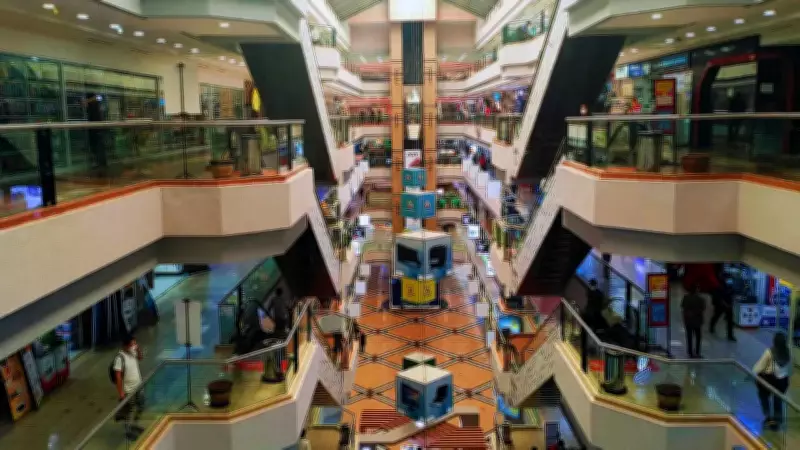
The Resurgence of Retail: High Streets and Malls Redefine India's Shopping Experience
Retail has always transcended mere transactions, embodying a holistic experience characterized by visual appeal, curated displays, and the excitement of discovering new collections. In the post-pandemic era, India's retail landscape is undergoing a significant transformation, with high street retail and malls emerging as central pillars, each offering unique value propositions to consumers. Market trends indicate a renewed focus on high street retail, fueled by shifting consumer behaviors, rapid urbanization, and enhanced operational efficiencies. Simultaneously, malls are adapting to new retail formats and evolving consumer expectations, creating a dynamic and competitive environment.
High Street Retail: Dominating with Accessibility and Flexibility
High street retail is experiencing a notable resurgence, leveraging its core strengths in accessibility, flexibility, and performance-driven economics. Typically located along main roads, metro corridors, office hubs, and residential areas, these retail stores benefit from high footfall generated by commuters and local residents. This positioning makes high street retail ideally suited for convenience-based shopping, catering to immediate consumer needs.
From an operational standpoint, high street formats enable brands to adopt lower-cost store structures, including flexible leasing options. This results in reduced operating costs and potentially higher profitability. Additionally, high street retail offers greater flexibility in store design, merchandising, and operations, allowing brands to create customized and localized retail experiences that foster deeper connections with target audiences.

The integration of open-air "bazaar" retail, incorporating elements of food and culture, has further enhanced the appeal of high street retail, particularly in high-density urban markets. According to Shorab Upadhyay, Managing Director of TRG Group, these factors are driving high street retail to dominate and significantly impact the real estate market.
Malls: Thriving as Immersive Lifestyle Destinations
Malls continue to thrive as comprehensive retail and entertainment destinations, offering immersive experiences that cater to longer stays, socializing, and family outings. The CBRE Global Survey on Millennials highlights the enduring strength of malls, with over 50% of millennials preferring to shop at malls or shopping centers. Key reasons for this preference include the ability to physically interact with products, access a wider range of brands, receive support from store staff, and benefit from competitive pricing.
The structured environment of malls, complete with amenities, parking, and safety features, provides a significant advantage. In response to evolving consumer behaviors, malls are increasingly focusing on experiential retail through new concepts such as brand experiences, omnichannel retail, and personalized services. This shift is redefining malls as dynamic retail destinations that go beyond traditional shopping.
Shifting Consumer Preferences and Strategic Adaptations
The performance disparity between high streets and malls is largely influenced by consumer intent. High streets excel in meeting needs for immediacy, convenience, and quick consumption, while malls are effective for experience-driven and destination-led consumption. This distinction is shaping brand strategies, with many adopting a hybrid model by maintaining presence in both channels.
High streets are attractive for brands seeking faster conversion cycles and higher footfall, with rental yields typically ranging from 10-12%, compared to 8% for malls. Conversely, malls are crucial for flagship stores and customer engagement strategies focused on experience and destination appeal. This strategic alignment allows brands to optimize their reach and impact across different consumer segments.

A Balanced and Integrated Retail Future
The Indian retail space is not evolving into a binary choice between high streets and malls; instead, it is moving toward a balanced coexistence where both formats complement each other. High streets are increasingly preferred for high-frequency retailing, while malls continue to thrive as comprehensive lifestyle destinations. From a consumer perspective, the "proof of shopping" lies in the experience—whether it's the spontaneity of high street shopping or the complete immersion offered by malls.
For retailers and developers, the opportunity lies in aligning format strategies with consumer behavior, location dynamics, and brand identity. As India becomes more urbanized and consumer preferences continue to evolve, the future of retail will be defined by flexibility, experience, and the seamless integration of diverse formats. In this context, high streets and malls are not competing narratives but parallel pathways leading to a new, vibrant retail future.





