Stock Markets Plunge in Early Trade Amid Rising West Asia Tensions
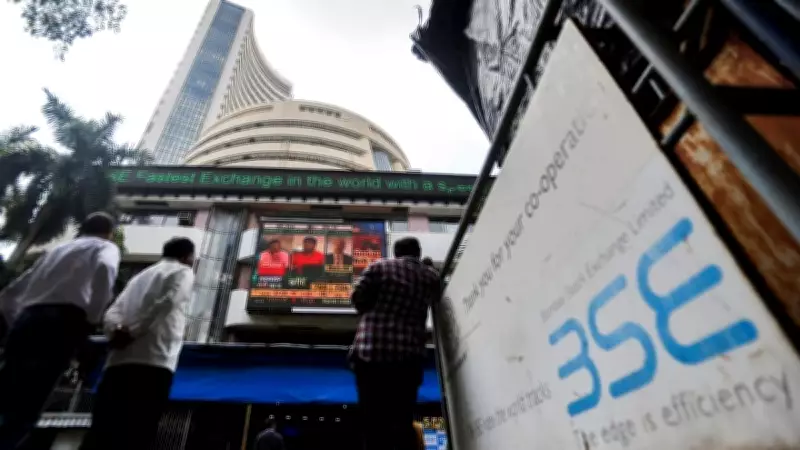
Indian stock markets experienced a significant downturn during the early trading session on Monday, as escalating geopolitical tensions in West Asia and unfavorable global market trends triggered a wave of selling pressure. The benchmark indices, the BSE Sensex and the NSE Nifty, both recorded substantial losses, reflecting heightened investor anxiety and risk aversion.
Sharp Decline in Key Indices
The BSE Sensex plummeted by more than 1%, shedding hundreds of points, while the NSE Nifty followed suit with a similar percentage drop. This decline was broad-based, affecting various sectors including banking, energy, and information technology. Market analysts attribute the sell-off to fresh conflicts in West Asia, which have raised concerns about potential disruptions to global oil supplies and economic stability.
Impact of Geopolitical Factors
The renewed tensions in West Asia have introduced a layer of uncertainty into the financial markets, prompting investors to adopt a cautious stance. Historical data suggests that geopolitical unrest in this region often leads to volatility in commodity prices, particularly crude oil, which can have ripple effects on inflation and corporate earnings worldwide. In this context, the Indian market's reaction underscores its sensitivity to international developments.

Weak Global Cues Exacerbate Losses
Compounding the situation, weak cues from global markets, including declines in major Asian and European indices, further dampened sentiment. The combination of domestic and international factors created a perfect storm for the stock markets, leading to the early trade tumble. Experts warn that if tensions persist, the markets could face continued pressure in the coming sessions.
Investor Sentiment and Future Outlook
Investor sentiment has turned bearish, with many opting to reduce exposure to equities in favor of safer assets. The volatility index, a measure of market fear, spiked during the session, indicating heightened nervousness among traders. Looking ahead, market participants will closely monitor developments in West Asia and any policy responses from central banks, which could influence the direction of the stock markets in the short term.