US Stock Markets Show Tentative Moves Amid Geopolitical Tensions
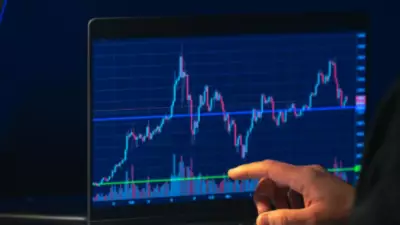
US stock markets exhibited cautious and mixed trading on Monday, with the S&P 500 inching higher while the Dow Jones Industrial Average declined, as oil prices experienced significant volatility. This uncertainty stems from escalating tensions in the Middle East, particularly ahead of President Donald Trump's impending deadline regarding Iran, according to AP reports.
Early Trading Performance and Weekly Trends
In early trading sessions, the S&P 500 rose by 0.1%, marking a recovery from its first weekly gain in six weeks. Conversely, the Dow Jones Industrial Average fell by 107 points, reflecting investor apprehension. The Nasdaq Composite showed more resilience, advancing 0.4% amid the turbulent market conditions.
Oil Price Fluctuations and Geopolitical Escalation
Oil prices swung between gains and losses, driven by deep uncertainty over the Iran conflict and its potential impact on global energy supplies. Trading activity remained subdued as geopolitical tensions intensified, with Israel and the United States conducting strikes in Iran that reportedly resulted in 25 casualties. These actions occurred just before Trump's deadline for Tehran to reopen the strategically vital Strait of Hormuz.

Futures markets mirrored this cautious sentiment, with S&P 500 futures up 0.1%, Dow futures down 0.2%, and Nasdaq futures gaining 0.3%. Among the targets hit was Iran's South Pars natural gas field, prompting Tehran to retaliate with missile attacks on Israel and Gulf Arab neighbors. In response, mediators from Egypt, Pakistan, and Turkey have proposed a 45-day ceasefire and the reopening of the Strait of Hormuz, though both Iran and the US have yet to formally respond.
Trump's Ultimatum and Market Implications
President Trump, whose deadline expires Monday night Washington time, issued a stark warning via social media. He stated that if no agreement is reached, the US would target Iran's power plants and infrastructure, declaring, "Tuesday will be Power Plant Day, and Bridge Day, all wrapped up in one, in Iran." He added that failure to reopen the strait would leave Iran "living in Hell."
Despite this escalation, oil prices eased slightly in trading. Benchmark US crude fell by $1.40 to $110.14 per barrel, while Brent crude declined by 45 cents to $108.58 per barrel. However, prices remain sharply elevated, with US crude up over 60% and Brent up nearly 50% since the conflict began five weeks ago, highlighting ongoing supply concerns.
Global Market Trends and Regional Dependencies
Global markets displayed mixed trends in response to the tensions. Japan's Nikkei 225 rose by 0.6%, and South Korea's Kospi gained 1.4%, showing some resilience. In contrast, markets in Australia, Hong Kong, Shanghai, and parts of Europe remained closed due to holidays, limiting broader trading activity.
The United States relies on the Persian Gulf for only a fraction of its oil imports, but global pricing dynamics mean that any disruptions in the Strait of Hormuz can affect markets worldwide. Countries like Japan remain heavily dependent on this route, prompting urgent efforts to secure alternative supply lines. Japan has begun releasing reserves and exploring alternate routes, while South Korea plans to deploy at least five ships to Saudi Arabia to establish new oil transport corridors.
Analyst Insights and Market Outlook
Jay Woods, an analyst at Freedom Capital Markets in New York, commented on the prevailing market sentiment, stating, "As we kick off the first full trading week of April, the word uncertainty is paramount. Last year it was centered on the impact of 'Liberation Day' tariffs, this year it's uncertainty surrounding the ongoing Iranian War." This underscores how geopolitical events continue to shape investor confidence and market movements, with traders closely monitoring developments for potential impacts on economic stability and energy markets.