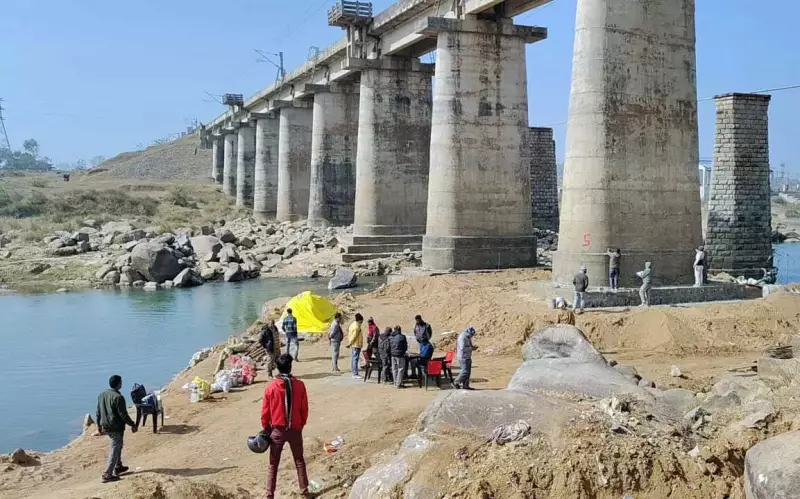
A critical railway bridge over the Koel River has developed cracks, leading to significant disruptions in train services on the Ranchi-Lohardaga-Tori section. Officials from the South Eastern Railways confirmed that a team of experts will conduct a detailed inspection of the damaged structure starting Tuesday.
What Happened to the Bridge?
The problem was identified at bridge number 115, located between Nagjua and Lohardaga stations. Karuna Nidhi Singh, the Divisional Railway Manager (DRM) of Ranchi, stated that two pillars of the bridge developed cracks, affecting train movement along the route. This issue emerged after an initial problem where a pier of the bridge suffered tilting, for which experts were already deployed.
Expert Inspection and Action Plan
Specialists from the railway board and headquarters will visit the site on Tuesday, January 9. Their primary task is to determine the exact cause behind the development of the cracks. "Based on the inspection, they will carve out plans to solve the issues," DRM Singh explained. The findings from this assessment will dictate the repair and reinforcement strategy for the crucial bridge.

Immediate Impact on Train Services
The structural concerns have forced the railways to cancel and divert several trains, causing inconvenience to passengers. Key changes include:
- The 18635 Ranchi–Sasaram Express was cancelled on Monday and will remain cancelled at least till Wednesday.
- On the return journey, the 18636 Sasaram–Ranchi Express will be cancelled from Tuesday to January 8.
- The 08611 Santragachi - Ajmer Special Express via Ranchi, scheduled to depart on January 5, has been diverted. It will now run via Muri - Barkakana - Tori, bypassing the affected Lohardaga section.
Passengers traveling on this route are advised to check with the Ranchi railway division for the latest updates and alternative arrangements. The situation underscores the importance of ongoing infrastructure maintenance on vital rail corridors.