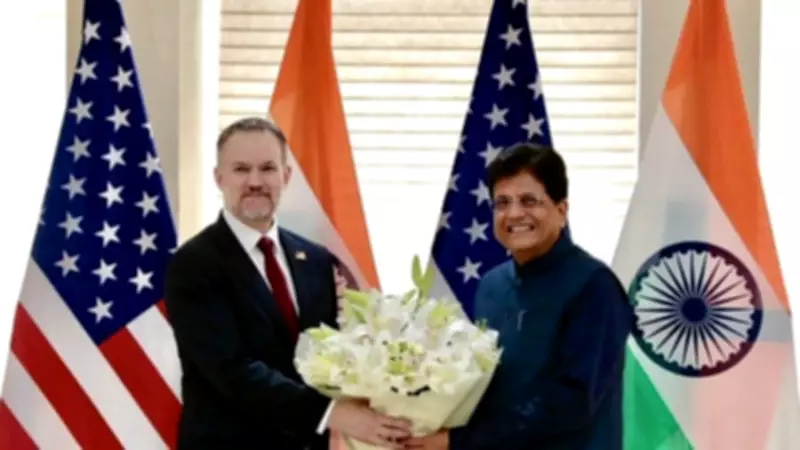
India and the United States are on the verge of finalizing a bilateral trade agreement, but lingering differences over tariff cuts and import volumes continue to stall a formal announcement, according to a Reuters report published on 25 June 2026.
Key Sticking Points in Negotiations
New Delhi has been pushing for a tariff rate lower than that imposed on goods from other Asian economies, including China and Vietnam. Washington, meanwhile, is demanding that India commit to importing more American products, particularly in sectors such as agriculture, machinery, and defense equipment. The two sides have been in talks for months, with the deal now described as “very close” by sources familiar with the discussions.
The potential agreement would cover a range of trade issues, including market access for goods and services, intellectual property protections, and investment rules. However, the tariff component remains the most contentious, as India seeks to protect its domestic industries while the US aims to reduce its trade deficit with India.

Impact on Bilateral Trade
A successful deal could significantly boost economic ties between the two countries. Bilateral trade in goods and services was valued at approximately $191 billion in 2025, according to official data. An agreement could unlock further growth, particularly in technology, pharmaceuticals, and energy. However, failure to resolve tariff disputes could delay the deal and undermine momentum in the broader strategic partnership.
“Both sides understand the importance of this agreement,” a senior Indian official told Reuters on condition of anonymity. “We are very close, but the final details need to be ironed out.” The official added that negotiations are ongoing at multiple levels, including technical teams and senior diplomats.
Political and Economic Context
The trade deal is seen as a priority for both governments. US President Donald Trump and Indian Prime Minister Narendra Modi have publicly committed to strengthening economic ties. The agreement would also serve as a counterweight to China’s growing influence in the region. However, domestic pressures in both countries complicate the talks. In India, farmers and small manufacturers fear increased competition from US imports, while US lawmakers have raised concerns about India’s tariff barriers and data localization policies.
“We need a fair and reciprocal agreement,” a US Trade Representative spokesperson said. “India must open its markets further and reduce tariffs on key American exports.” The spokesperson declined to comment on specific tariff rates under discussion.
Next Steps
Negotiators are expected to meet again in early July to finalize outstanding issues. Both sides hope to announce the deal during a high-level visit later this year. If concluded, the agreement would be one of the most significant trade pacts for India since its economic reforms in the 1990s and a major achievement for the Trump administration’s trade agenda.