India's Shipping Ministry Issues Directives to Ease Port Congestion Amid Regional Conflict
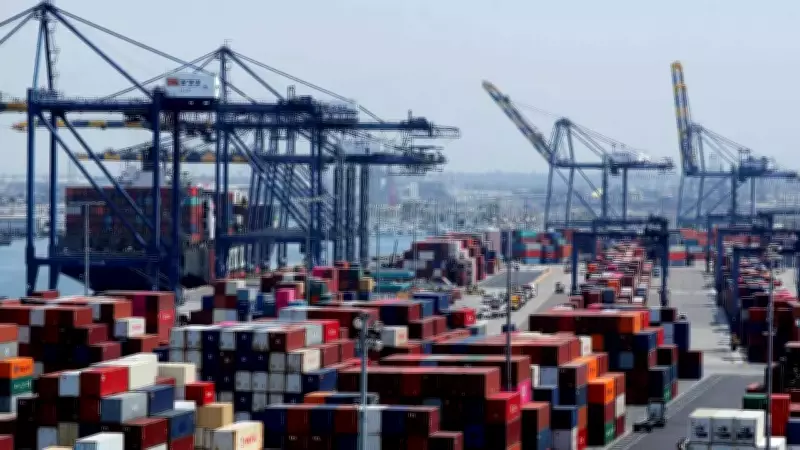
In response to the escalating conflict in West Asia, which has left numerous cargo ships bound for the region stranded at Indian ports, the shipping ministry has taken decisive action. On Friday, the ministry directed all 12 major ports across India to consider requests for the reduction, waiver, or remission of various charges. These include fees for storage rent, reefer plugging, and changes in vessel arrangements, as part of a broader effort to mitigate the impact on trade and logistics.
Immediate Measures to Support Exporters and Importers
The ministry has outlined several key measures to address the growing crisis. Ports are now authorized to permit the storage of cargo destined for West Asia as transshipment cargo during the affected period. Additionally, they have been instructed to allot extra storage areas and facilitate the movement of export cargo that is currently stuck in ports back to the domestic market, in close coordination with customs authorities. To prevent spoilage, priority handling will be provided for perishable cargo, and ports are to enhance bunkering capacity to meet potential increased demand.
Stakeholder Meeting Highlights Urgent Concerns
These directives were issued shortly after a virtual meeting chaired by Shipping Secretary Vijay Kumar with various stakeholders. Participants included representatives from ministries, shipping lines, oil public sector undertakings, companies, and exporters. During the meeting, stakeholders raised alarms about the imminent risk of port congestion and a shortage of containers over the next two to three weeks. There was also a proposal to allow more foreign-flagged vessels to transport domestic cargo, aiming to overcome the shortage of ships and containers while addressing rising freight costs.

According to the shipping ministry, there are currently 11 vessels at different Indian ports that are destined for the Persian Gulf, along with another 35 Indian-flagged vessels operating in the region. This situation underscores the urgency of the measures being implemented.
Financial and Insurance Adjustments to Support Trade
In a related development, the Directorate General of Foreign Trade (DGFT) informed stakeholders that the Department of Financial Services is actively engaging with insurance firms, the General Insurance Council, and the Export Credit Guarantee Corporation of India. These discussions focus on addressing the spike in insurance premiums caused by the conflict. Furthermore, the Reserve Bank of India has held meetings with the Indian Banks' Association and the State Bank of India. Banks operating in the West Asia region have been instructed to allow their staff to work from home, ensuring that shipping lines, exporters, and importers do not face operational disruptions.
Shipping Secretary Vijay Kumar emphasized that port authorities have been directed not to impose any additional charges, reinforcing the government's commitment to stabilizing the situation. This comprehensive approach aims to safeguard India's trade interests and maintain smooth logistics operations amidst the ongoing geopolitical tensions.