

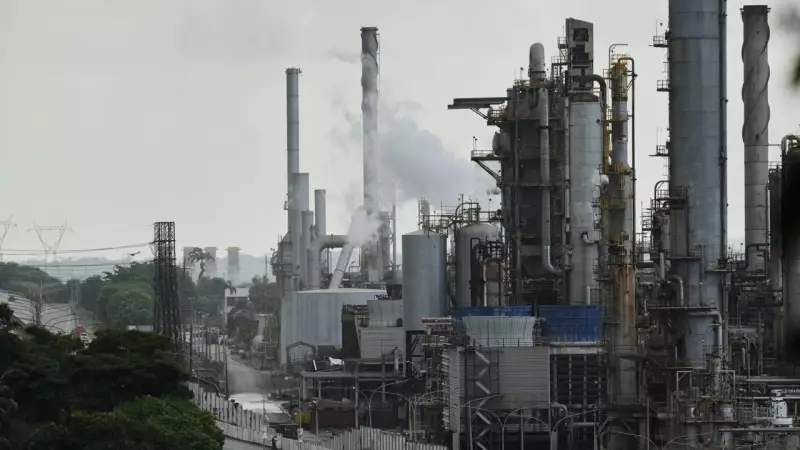
Venezuela's primary oil export terminals have now gone five days without sending a single crude shipment to its most important customers in Asia. This critical halt comes as pressure from the United States on the OPEC nation intensifies under a strict oil embargo, according to the latest shipping data.
Production Cuts Loom as Stocks Pile Up
The ongoing freeze on deliveries threatens to worsen the severe challenges already facing Venezuela's state-run oil giant, PDVSA. The company is grappling with major constraints in both production and refining capabilities. An extended blockage of exports to Asia could force PDVSA to implement deeper cuts to its oil production. The firm had already begun reducing output in recent days because of a dangerous build-up of crude and residual fuel stocks with nowhere to go.
Chevron Navigates Sanctions as Others Halt
In a stark contrast to the broader standstill, Chevron Corporation has managed to resume its shipments. PDVSA's key joint-venture partner sent Venezuelan oil to the United States on Monday after a brief four-day pause. The American energy major has also called its overseas staff back to offices within Venezuela as flights have restarted. Chevron has effectively become the sole company currently able to export Venezuelan crude without major disruptions, navigating the complex sanctions landscape where others have failed.

This divergence highlights the uneven impact of the embargo. While Chevron operates, other US giants like Exxon Mobil and ConocoPhillips left the country years ago following asset nationalisations.
Dark Fleet Evades US Tanker Blockade
Despite the official embargo, a significant volume of oil still left Venezuelan shores earlier this month. At least a dozen sanctioned vessels that loaded crude and fuel in December departed Venezuelan waters in early January. They were carrying an estimated 12 million barrels destined for China. These tankers sailed in "dark mode," with their transponders switched off to avoid detection, directly challenging the US tanker blockade imposed last month. Washington has not clarified whether these clandestine departures had any form of authorisation.
In a related political development, sources indicate that the administration of former US President Donald Trump is planning meetings this week with executives from American oil companies. The agenda is to discuss plans for boosting Venezuela's oil production following the arrest of President Nicolas Maduro by US forces. The White House has expressed belief that US firms are prepared to invest, though analysts warn that rebuilding the country's decimated output would require years and billions of dollars, given the extensive infrastructure damage and ongoing political instability.
The financial markets have reacted to these events, with US energy stocks recording sharp gains. Investors appear to be betting on a potential reshaping of the global oil flow and future opportunities in Venezuela, however distant they may be.






