Bhopal University Community Rallies Against Proposed Tourism Helipad on Campus
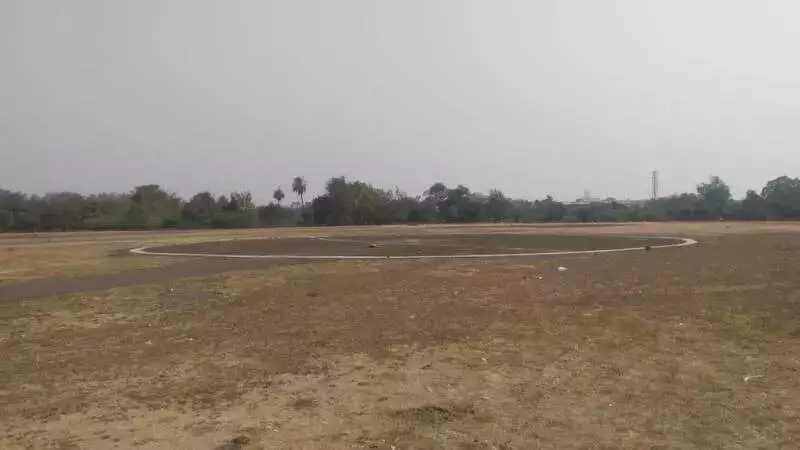
In a significant development in Bhopal, students, alumni, and local residents residing near Barkatullah University (BU) have united in opposition to a proposed Madhya Pradesh government tourism helicopter service. The community is vehemently demanding the immediate removal of a helipad constructed on the university's playground, raising serious concerns about its potential to disrupt academic activities and cause environmental degradation.
Roots of the Controversy: The PM Shri Paryatan Helicopter Seva
The conflict originates from a request made by the Madhya Pradesh Tourism Board to the university administration. The board sought space on the BU campus to launch the PM Shri Paryatan Helicopter Seva, a state-led initiative inaugurated on November 20, 2025. This ambitious project aims to connect major religious sites, wildlife sanctuaries, and tourist destinations across Madhya Pradesh via helicopter, enhancing accessibility and boosting tourism. However, the proposal to utilize university grounds for this service has met with fierce resistance from the university's stakeholders, who view it as an inappropriate use of educational land.
Academic and Environmental Concerns Take Center Stage
Alumni representatives have been particularly vocal, highlighting the severe implications of helicopter operations on campus. They argue that helicopters, which generate noise levels between 110 to 120 decibels during take-off and landing, would shatter the peaceful atmosphere essential for learning. "This isn't progress; it's a disaster for education," stated Dharmendra Singh Gaur, an alumni representative. He warned of multiple adverse effects, including:

- Potential eardrum damage to students and staff.
- Significant disruptions during crucial examinations.
- Severe mental stress caused by repeated exposure to high-decibel noise.
Gaur further contended that the helipad's construction on the playground appears to violate a 2015 Madhya Pradesh government directive (Letter No. 462/Mu.S./2015). Additionally, he asserted it breaches the Noise Pollution (Regulation and Control) Rules, 2000, which mandate a daytime noise limit of 50 decibels and a nighttime limit of 40 decibels in silence zones around educational institutions. Helicopter noise, typically around 80-100 decibels, far exceeds these limits. Gaur also suggested that the resulting noise and air pollution could infringe upon the fundamental right to life and personal liberty guaranteed under Article 21 of the Indian Constitution.
Broader Ecological and Health Impacts Highlighted
The opposition extends beyond academic concerns to encompass serious ecological and public health risks. A student, speaking on condition of anonymity, expressed fears that the helicopters could:
- Drive away nesting bird populations from the campus, disrupting local biodiversity.
- Reduce reproduction rates among avian species due to constant disturbance.
- Release harmful pollutants, such as carbon dioxide (CO₂) and nitrogen oxides, into the air, degrading air quality.
Nearby residents have echoed these apprehensions, voicing concerns about long-term health risks from sustained exposure to noise pollution and exhaust fumes. Critics have broadly condemned the project as a "commercial intrusion on educational land," arguing that it undermines the very "mental peace" that universities are intended to foster—a sanctuary for thought and learning.
Current Status: A Decision Pending Amidst Growing Protests
As the debate intensifies, the Madhya Pradesh Tourism Board has clarified that the final decision regarding the use of the BU campus site for the PM Shri helicopter service has not yet been made, and the proposal remains under review. In contrast, university officials have so far declined to comment on the ongoing protests and the controversy surrounding the helipad. The standoff highlights a growing clash between developmental initiatives and the preservation of educational and environmental sanctity, with the Bhopal community steadfast in its demand to prioritize academic integrity and ecological well-being over tourism expansion.