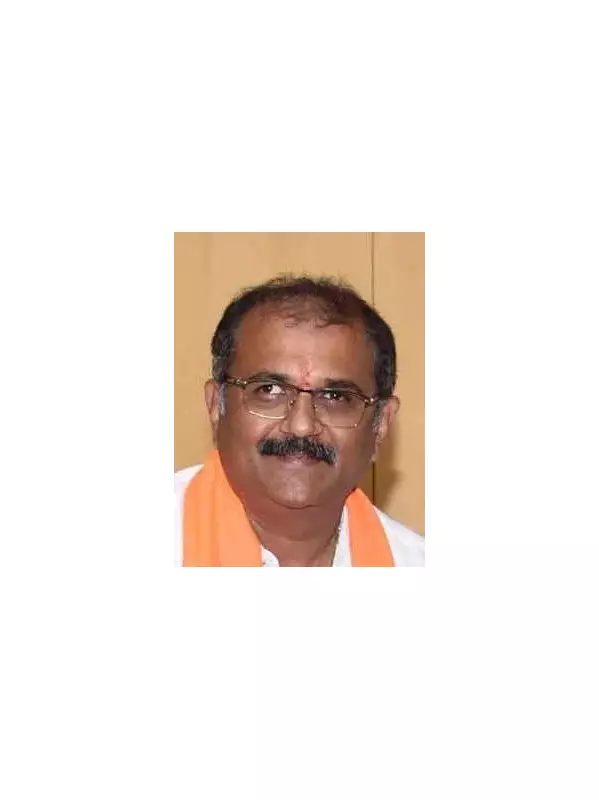
In a significant intervention in the Karnataka Legislative Council, BJP MLC Dhananjaya Sarji has raised serious concerns over a glaring imbalance in the distribution of engineering seats between government and private institutions across the state. He has urgently called upon the government to rectify this disparity to ensure fair access to quality technical education for students.
The Stark Numbers: A Tale of Two Systems
Presenting detailed figures during the council session on Tuesday, Sarji revealed a concerning picture. Out of a total of 1,53,916 engineering seats available in Karnataka, a mere 6,495 seats are situated within government colleges. In sharp contrast, private universities alone account for a substantial 33,000 seats. This data underscores a heavy skew towards the private sector in engineering education capacity.
The MLC from Shivamogga delved deeper into the issue, pointing out a specific case where a single private university has been allotted 4,320 seats. Within this allocation, a staggering 90% (4,020 seats) are dedicated solely to computer science (CS) courses. This stands in opposition to the scenario in government colleges, where only about 10% of their 6,500 seats are reserved for the highly sought-after computer science stream.

Beyond Seats: Faculty Shortages and Quality Concerns
Sarji's critique extended beyond just seat numbers. He highlighted a parallel crisis of faculty shortage in many private engineering colleges. He pointed out a significant gap between the number of professors required as per norms and those actually available, raising questions about the quality of education imparted in these institutions despite their high seat count.
The MLC argued that this dual problem of disproportionate seat allocation and faculty deficits in the private sector ultimately inconveniences students, especially those relying on the affordable and often well-regarded government college system. He demanded concrete governmental action to address this structural imbalance comprehensively.
Government Response and Proposed Action
In response to the issues raised, Higher Education Minister MC Sudhakar acknowledged Sarji's valid concerns. The minister assured the legislative council that the government is actively considering measures to curb the excessive allocation of seats to certain courses, particularly in private institutions.
Minister Sudhakar further stated that the authorities would not hesitate to take action against colleges found violating established norms. This indicates a potential regulatory crackdown to ensure a more equitable distribution of seats and maintain educational standards across Karnataka's engineering landscape.
The debate has brought to the forefront critical questions about resource allocation, educational equity, and quality control in professional education, setting the stage for potential policy interventions in the near future.