NCERT Introduces Emergency Chapter in Class 9 Curriculum
The National Council of Educational Research and Training (NCERT) has added a chapter on the Emergency period in India to the Class 9 social science textbook. The chapter, titled 'The Emergency (1975-1977)', is part of the revised syllabus for the 2026-27 academic session. This marks the first time that the Emergency has been included in the Class 9 curriculum, aiming to provide students with a comprehensive understanding of this critical period in Indian history.
Details of the Chapter
The chapter covers the declaration of Emergency by Prime Minister Indira Gandhi on June 25, 1975, citing internal disturbances. It discusses the suspension of fundamental rights, press censorship, and the arrest of political opponents. The chapter also highlights the 21-month period of authoritarian rule, the role of the judiciary, and the eventual lifting of the Emergency in March 1977. According to NCERT officials, the chapter is based on historical records and aims to foster critical thinking among students.
Impact on Students and Education
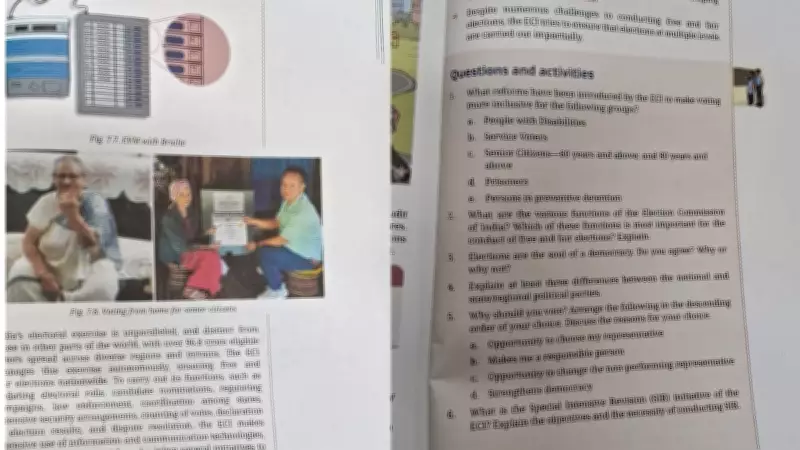
The inclusion of the Emergency chapter is expected to help students understand the importance of democratic values and constitutional safeguards. The textbook also includes exercises and discussion questions to encourage classroom debates. Educators have welcomed the move, stating that it fills a gap in the curriculum. "This is a significant step towards educating young minds about the challenges to democracy," said a senior teacher from Delhi Public School.

Reactions and Controversy
The decision has drawn mixed reactions. While some political groups have praised the move for promoting historical awareness, others have criticized it as a political agenda. The NCERT has clarified that the content is fact-based and vetted by historians. The chapter also quotes former President Fakhruddin Ali Ahmed and Supreme Court judgments from that period.