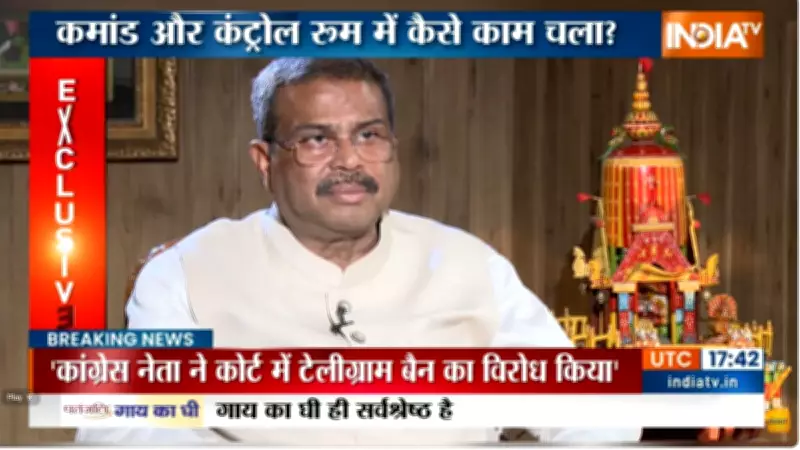
Union Education Minister Dharmendra Pradhan has announced that the government is planning major reforms to the National Eligibility cum Entrance Test (NEET) to prevent future paper leaks, following a controversial re-examination in 2026. In an exclusive interview, Pradhan stated that the government is committed to ensuring the integrity of the exam process.
Key Reforms Announced
The proposed reforms include a shift to digital delivery of question papers, biometric verification of candidates, and enhanced surveillance at examination centers. Pradhan emphasized that these measures are designed to make the exam tamper-proof. "We are introducing a system where question papers will be encrypted and transmitted digitally to centers, reducing the risk of physical theft," he said.
Digital Delivery System
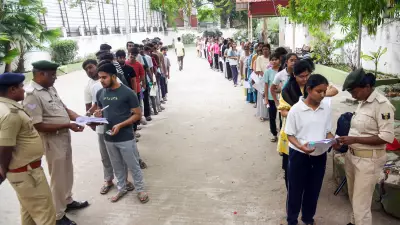
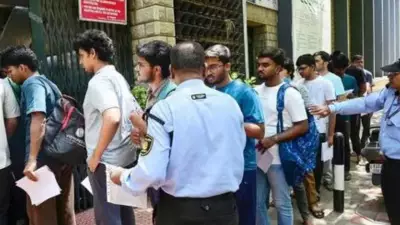
Under the new system, question papers will be sent via a secure digital platform, with access granted only at the scheduled exam time. This move aims to eliminate the possibility of leaks that occurred in previous years. The minister also highlighted that biometric verification, including fingerprint and facial recognition, will be mandatory for all candidates to prevent impersonation.

Impact on Students
The reforms are expected to affect over 2 million students who appear for NEET annually. Pradhan assured that the changes would not disrupt the exam schedule but would enhance fairness. "Our priority is to provide a level playing field for all students. These reforms will ensure that hard work and merit are the only determinants of success," he added.
Background of the Re-exam
The 2026 NEET re-exam was ordered after reports of a paper leak in certain states. The incident sparked widespread protests and demands for action. The government constituted a high-level committee to investigate and recommend measures. The committee's report, submitted in June 2026, suggested a complete overhaul of the exam administration process.
Implementation Timeline
Pradhan stated that the reforms would be rolled out in phases, starting with the 2027 exam cycle. Pilot tests for the digital delivery system are scheduled for later this year. The minister also mentioned that the National Testing Agency (NTA) would be strengthened with additional cybersecurity experts and infrastructure.
Reactions from Stakeholders
Education experts have welcomed the reforms but cautioned about implementation challenges. "Digital delivery is a step in the right direction, but it requires robust internet infrastructure across rural areas," said Dr. Anjali Sharma, an education policy analyst. Student groups have expressed cautious optimism, with many hoping that the measures will restore trust in the exam.
Government's Commitment
Pradhan reiterated the government's zero-tolerance policy towards malpractices. "We will not hesitate to take strict action against anyone found guilty of compromising the exam's integrity. The reforms are a testament to our commitment to transparency and fairness," he concluded.