The Supreme Court of India has issued a significant interim order, putting a hold on the implementation of the new academic regulations proposed by the University Grants Commission (UGC). This decision has generated a substantial wave of reactions across various social media platforms, with educators, students, and academicians actively participating in the discourse.
Details of the Supreme Court's Order
The apex court's ruling came in response to a petition challenging the UGC's recently introduced regulations, which aimed to overhaul certain aspects of higher education in the country. The court has directed that the regulations be kept in abeyance until further notice, allowing for a more thorough examination of the potential implications and legal validity of the proposed changes.
Key Aspects of the UGC Regulations Under Scrutiny
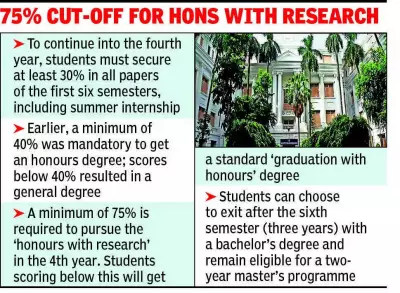
The regulations in question were designed to modify various academic frameworks, including curriculum structures, assessment methods, and faculty recruitment processes. Proponents argued that these changes would modernize the education system and enhance quality, while critics raised concerns about autonomy, feasibility, and the impact on diverse educational institutions.

Social Media Reactions and Public Sentiment
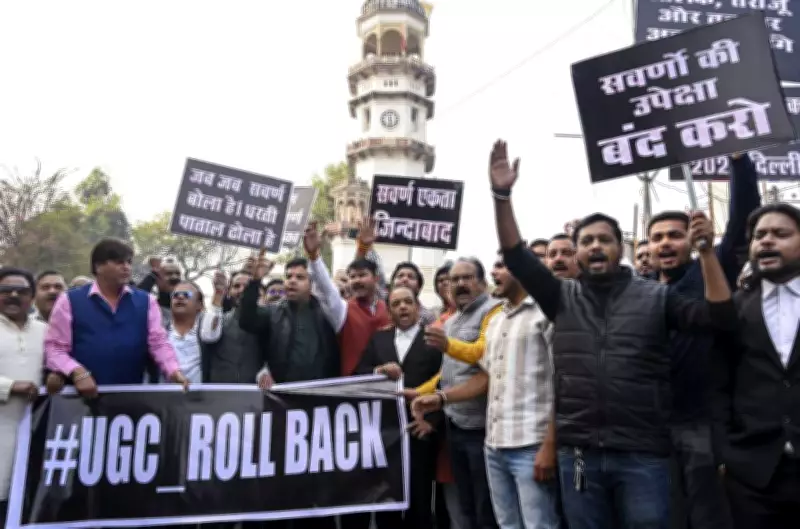
Following the Supreme Court's decision, social media platforms like X (formerly Twitter) and Facebook have been abuzz with discussions. Many users have expressed relief and support for the court's intervention, citing the need for careful deliberation on such transformative policies.
Educators and academicians have highlighted the importance of stakeholder consultation in policy-making, emphasizing that rushed implementations could disrupt the academic ecosystem. Students and youth groups have also voiced their opinions, with some welcoming the pause as an opportunity to address potential inequities in the new regulations.
Broader Implications for Higher Education in India
This development underscores the ongoing tensions between regulatory reforms and institutional autonomy in India's higher education sector. The Supreme Court's stay order is seen as a critical moment that could influence future policy directions and legal frameworks governing academic standards.
As the legal proceedings continue, the education community remains vigilant, awaiting further clarifications and potential modifications to the UGC's proposals. The outcome of this case is expected to have lasting effects on how educational regulations are formulated and implemented across the nation.