The glitches in the examination system prove beyond doubt that, in their present form, these entry points for higher education cannot do justice to the sheer number of aspirants, without risking a structural collapse. This opinion piece by Seshadri Chari, published on June 6, 2026, delves into the systemic issues plaguing the examination framework in India.
The Growing Crisis in Examination Systems
Recent incidents of technical glitches, paper leaks, and administrative mismanagement have eroded public trust in the examination system. These problems are not isolated but symptomatic of a deeper structural failure. The system, designed for a smaller cohort of students, is now overwhelmed by millions of aspirants vying for limited seats in higher education institutions.
Volume vs. Quality: An Unsustainable Model
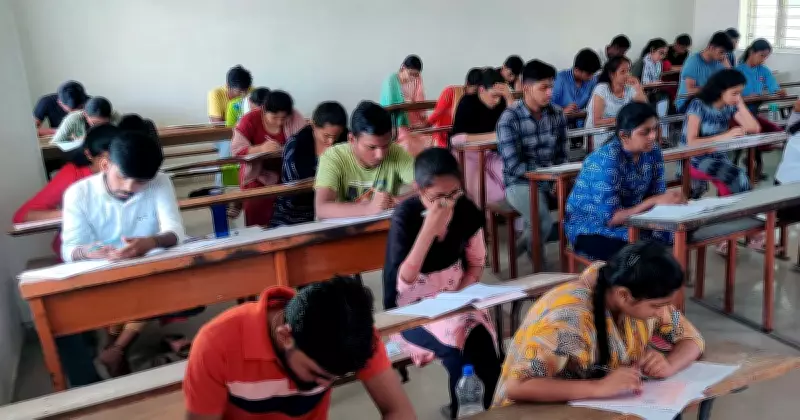
The sheer number of candidates—often in the millions for a single exam—creates logistical nightmares. From printing and distributing question papers to conducting exams and evaluating answer sheets, every step is prone to errors. The reliance on technology, while intended to streamline processes, has introduced new vulnerabilities, such as server crashes and cybersecurity threats.

Impact on Students and Society
Students bear the brunt of these failures. Delays in results, cancellation of exams, and allegations of unfair practices cause immense stress and anxiety. For many, these exams are the only gateway to a better future, and any disruption can derail their careers. Society at large loses faith in the meritocracy that these exams are supposed to uphold.
Proposed Reforms and Alternatives
Experts suggest multiple reforms to address these challenges. These include decentralizing the examination process, adopting a continuous assessment model, and leveraging technology more effectively. For instance, a shift towards school-based assessments or entrance exams conducted by individual institutions could reduce the burden on centralized systems.
The Role of Technology
While technology has been part of the problem, it can also be part of the solution. Blockchain for secure result storage, AI for adaptive testing, and robust cybersecurity measures can help restore trust. However, these require significant investment and political will.
In conclusion, the examination system in its current form is unsustainable. Without comprehensive reforms, the risk of structural collapse looms large. It is time for policymakers, educators, and stakeholders to come together to design a system that is fair, efficient, and trustworthy.