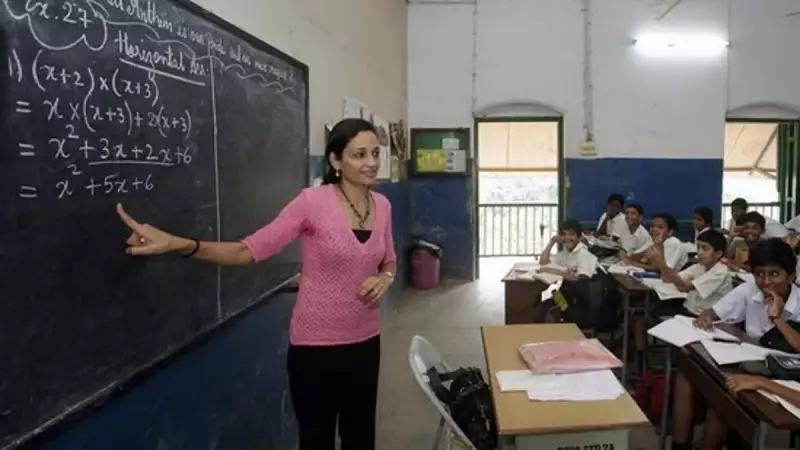
A major educational disruption has hit Maharashtra as a massive statewide agitation by teachers has forced the closure of a significant number of schools. The protest, which began on Thursday, December 5, 2024, has impacted the academic schedule for lakhs of students across the state.
Scale of the Shutdown and Core Demands
The agitation is being spearheaded by a coalition of teachers' unions, prominently including the Maharashtra Rajya Shikshak Parishad. Their collective action has led to the closure of an estimated 25,000 schools, affecting both primary and secondary education. The scale of the protest underscores the deep-seated grievances among the teaching community.
The primary demand fuelling this protest is the long-pending implementation of the Old Pension Scheme (OPS) for teachers and other government employees. Educators argue that the OPS provides greater financial security upon retirement compared to the current New Pension Scheme. Beyond pensions, the unions have presented a charter of several other unresolved issues to the state government.

Key Issues Behind the Agitation
The teachers' demands are multifaceted and point to systemic issues within the state's education administration. A central point of contention is the alleged failure to fill thousands of vacant teaching positions. This chronic shortage places an excessive workload on existing staff, compromising the quality of education.
Other critical demands include the regularization of temporary teachers, timely disbursement of salaries and grants to aided schools, and the resolution of service-related grievances. The unions have expressed frustration over what they describe as the government's inaction and unfulfilled promises regarding these matters, which have persisted for an extended period.
Impact and Government Response
The immediate consequence of the agitation is a complete halt to academic activities in the affected schools. With tens of thousands of institutions shut, a vast number of students have been left without classes. This unscheduled break is particularly concerning for students in higher grades preparing for crucial examinations.
In response to the protest, the state education department has issued advisories to school managements. While the government has acknowledged the protest, a concrete resolution is yet to be reached. The situation remains fluid, with the unions vowing to continue their agitation until their core demands, especially the restoration of the old pension scheme, are met. The standoff highlights the ongoing tension between the teaching workforce and the state administration over fundamental policy and welfare issues.