Massive Participation in Karnataka's Rani Lakshmibai Self-Defense Initiative
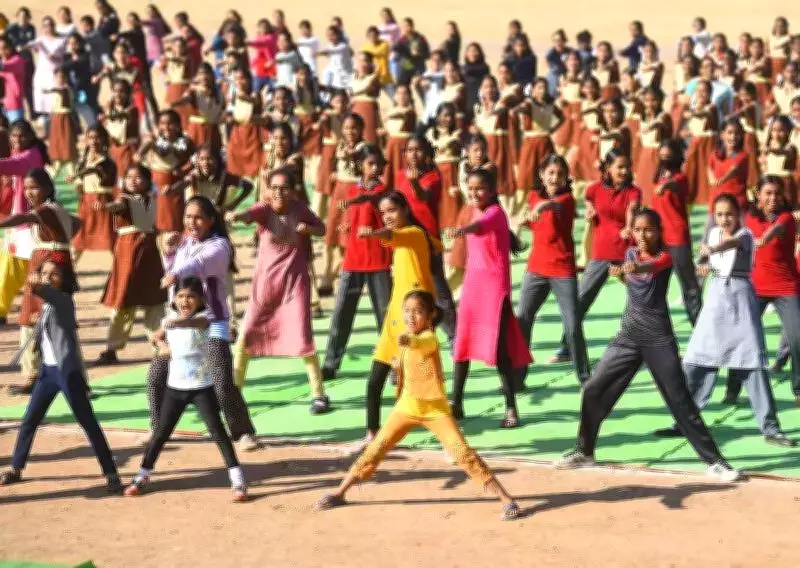
In a significant empowerment drive, 9,943 girls from 171 government high schools across Dakshina Kannada district have successfully completed a comprehensive three-month specialized karate training program during the current academic year. This ambitious initiative, formally titled the Rani Lakshmibai Self-Defence Training Programme, is being implemented by the Department of School Education and Literacy through Samagra Shiksha Karnataka.
Program Structure and Implementation Details
According to Sumangala S Nayak, Deputy Project Coordinator of Samagra Shikshana Karnataka (SSK), each participating high school received an allocation of Rs 9,000 specifically designated for student self-defense training. "This academic year, we trained a total of 9,943 students from 171 high schools," Nayak confirmed. "The students underwent three months of specialized karate training that commenced in November, with a total of 18 training sessions conducted at each school."
The program, which has been operational for several years, was strategically designed with multiple objectives:

- Enhancing physical and mental development of students
- Building practical self-defense capabilities
- Boosting overall confidence and personal security awareness
Geographical Distribution and Training Methodology
Nayak highlighted that Mangaluru, Bantwal, and Belthangady recorded the highest concentration of beneficiaries within the district. Schools were granted autonomy to appoint qualified local karate instructors who focused on teaching practical, real-world self-defense techniques including:
- Face punches and straight punches
- Counter punches and defensive maneuvers
- Escape strategies from potentially dangerous situations
An interesting aspect noted by a school head from Puttur was that "though boys were also allowed to take part, they did not" participate in the program, making it an exclusively female empowerment initiative this academic year.
Educational Integration and Institutional Oversight
The training sessions were carefully scheduled to avoid disruption of regular academic curriculum, with local self-defense skills being taught under the direct supervision and vigilance of school headmasters or physical education teachers. High school educators reported overwhelmingly positive feedback from participants, noting significant improvements in students' self-confidence and personal security awareness.
This systematic approach to integrating self-defense training within the formal education framework represents a progressive step toward holistic student development, combining physical preparedness with psychological empowerment in a structured, measurable format.