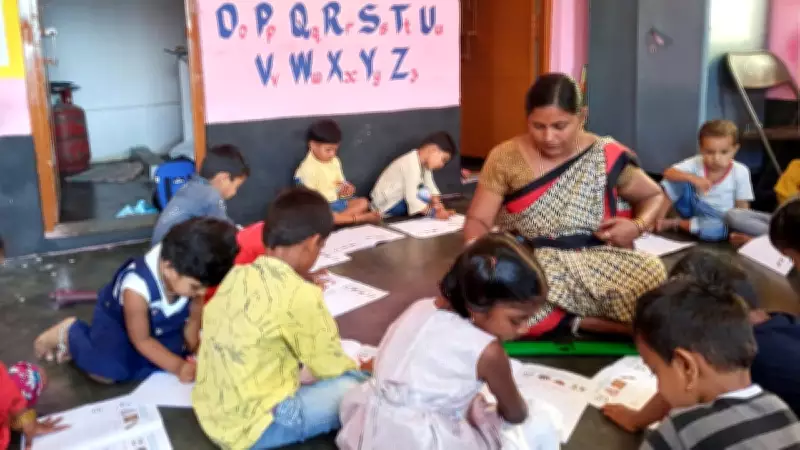
Anganwadi Habba in Mysuru Showcases Innovative Low-Cost Learning for Pre-Schoolers
A recent event in Mysuru, Karnataka, highlighted the power of community-driven initiatives in early childhood education. The Anganwadi Habba, organized at the Government Pre-University College in Saraswathipuram, brought together educators, parents, and children to demonstrate cost-effective learning methods for pre-schoolers. This gathering aimed to foster educational development through creative and accessible resources, emphasizing the importance of foundational learning in a child's formative years.
Event Highlights and Community Engagement
The Anganwadi Habba featured a variety of activities designed to engage young learners without relying on expensive materials. Educators showcased innovative teaching aids made from locally available and recycled items, such as cardboard, cloth, and natural objects. These tools were used in interactive sessions to teach basic concepts like numbers, colors, and shapes, promoting hands-on learning experiences. The event also included demonstrations of storytelling, music, and art, all tailored to enhance cognitive and motor skills in a playful environment.
Community involvement was a key aspect of the Habba, with parents and local volunteers actively participating in the activities. This collaboration helped bridge the gap between home and school, encouraging a supportive learning ecosystem. Organizers emphasized that such events not only enrich children's education but also empower communities to take ownership of early learning initiatives, making education more inclusive and sustainable.

Impact on Early Childhood Development
By focusing on low-cost solutions, the Anganwadi Habba addresses the challenges of resource constraints in early education. Many Anganwadi centers in Mysuru and surrounding areas operate with limited budgets, and this event provided practical strategies to overcome these limitations. The showcased methods are easily replicable, allowing educators to implement them in their own settings without significant financial investment.
Experts at the event highlighted that early childhood education is crucial for long-term academic and social success. The Habba's approach aligns with global best practices in early learning, which stress the importance of play-based and experiential education. By integrating these principles with affordable tools, the initiative aims to improve learning outcomes for pre-schoolers, particularly in underserved communities.
Future Prospects and Broader Implications
The success of the Anganwadi Habba in Mysuru has sparked interest in expanding similar events across Karnataka. Organizers plan to collaborate with government agencies and non-profits to scale up these efforts, potentially reaching more Anganwadi centers and pre-schools. This could lead to a wider adoption of low-cost learning models, contributing to the state's educational goals.
Moreover, the event underscores the role of grassroots movements in shaping education policy. By demonstrating effective, affordable alternatives, the Habba advocates for increased investment in early childhood programs and highlights the need for innovative approaches in public education systems. As Mysuru continues to pioneer such initiatives, it sets a precedent for other regions to follow, fostering a culture of resourcefulness and community engagement in education.