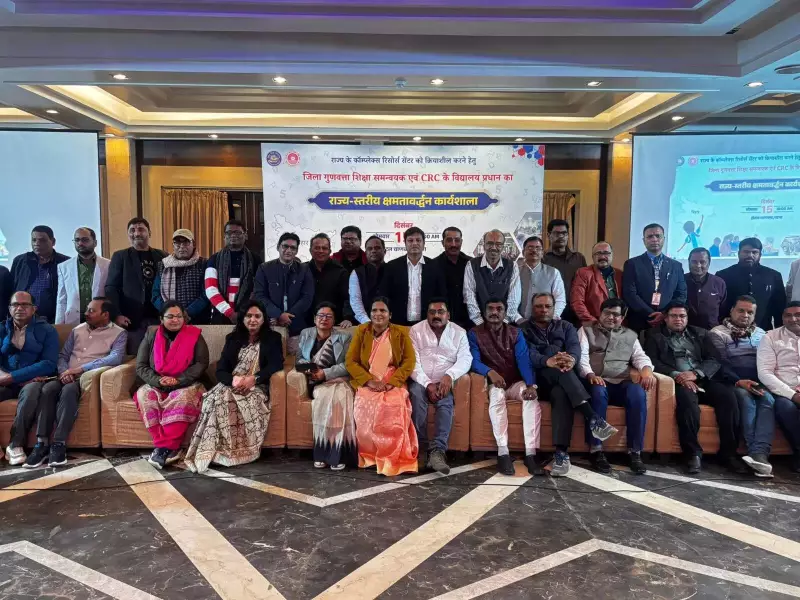
A significant workshop held in Patna on Monday marked a strategic shift for Bihar's educational infrastructure. The event focused on reactivating Complex Resource Centres (CRCs), transforming them from basic administrative units into dynamic academic hubs.
Collaborative Effort for Educational Reform
The capacity-building session was organised by the Bihar Education Project Council (BEPC) in partnership with Mantra Social Services. It brought together quality education coordinators and CRC facilitators from every district across the state. The core mission is to reimagine these centres as collaborative spaces that prioritise direct support for teachers.
Key Focus Areas and Digital Integration
The workshop outlined several critical objectives for the revitalised CRCs. A primary goal is ensuring the effective and transparent use of grant funds. Furthermore, the integration of digital tools like Virtual Labs and Vidya Boards was emphasised to modernise classroom learning.

Central to the transformation is achieving foundational literacy and numeracy through the NIPUN Bihar mission. The plan also promotes project-based learning methodologies to make education more engaging and practical for students.
Maximising Resources and Ensuring Transparency
Facilitators were instructed to make optimal use of existing physical resources available at the CRCs. This includes computers, libraries, and teaching-learning materials procured through grants. A strong emphasis was placed on meticulous documentation of all expenditures to maintain transparency and operational efficiency.
The workshop also highlighted the importance of diverse student programmes. These include Science Clubs, the National Invention Campaign, Eco Clubs, and the "Ek Bharat Shreshtha Bharat" initiative, all of which contribute to holistic development.
Institutionalising Change with New Procedures
To cement these reforms, a new standard operating procedure (SOP) was introduced. This SOP mandates regular visits by CRC personnel to schools and the organisation of monthly academic meetings. These meetings will be facilitated by subject-matter experts to provide continuous guidance and support to teachers.
Participants concluded the workshop with a shared commitment to this revitalisation drive. There is widespread confidence that these structured interventions will lead to measurable improvements in student learning outcomes across Bihar in the upcoming academic sessions.