A Bharatiya Janata Party (BJP) member of Parliament has formally called for the removal of the honorific title 'Lord' when referring to British colonial rulers in India's educational textbooks and official government records. The demand was raised during a session of the Upper House of Parliament, sparking a discussion on historical narrative and national identity.
Parliamentary Intervention During Zero Hour
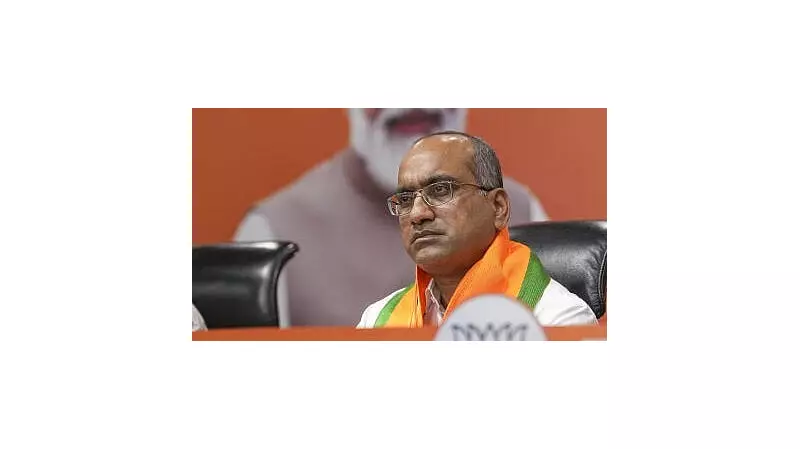
Raising the issue during the crucial Zero Hour in the Rajya Sabha on December 5, 2025, BJP MP G.V.L. Narasimha Rao brought attention to what he described as a persistent colonial legacy. He highlighted that the title 'Lord' continues to be widely used across various educational materials and official documents when naming British officials from the colonial era. The MP argued that this practice inadvertently confers a mark of respect and superiority to figures who were part of a foreign rule that subjugated India.
The Call for Decolonizing Educational Content
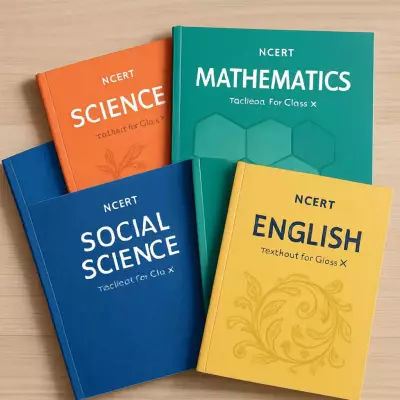
The core of the argument presented was the need to consciously 'decolonize' the Indian mindset by altering how history is taught and recorded. The MP emphasized that institutions like the National Council of Educational Research and Training (NCERT), which is responsible for drafting school curricula and textbooks, should lead this change. The proposal suggests using simple names or official designations without the prefixed 'Lord' for figures such as Lord Curzon or Lord Mountbatten, thereby presenting them in a more factual and neutral historical light.

This move is seen as part of a broader, ongoing effort to re-evaluate India's colonial past and ensure that educational content reflects a sovereign nation's perspective. Proponents believe it will help foster a sense of pride and correct historical context among young students, separating the administrative actions of these individuals from any implied reverence.
Implications and Potential Next Steps
The raising of this issue in Parliament is likely to initiate further discourse within government bodies, including the Ministry of Education. If the suggestion gains formal traction, it could lead to directives for review and revision of existing content in textbooks, reference materials, and possibly even official government archives and websites.
Historians and educators are expected to engage in debates weighing historical accuracy against the need for a nationalist narrative. Critics might caution against erasing historical terminology entirely, while supporters will likely view it as a necessary step in reclaiming India's historical discourse from colonial vestiges. The outcome of this proposal could set a significant precedent for how India's colonial history is framed for future generations.