Brij Phoolon Ki Holi Celebrated in Schools Across India
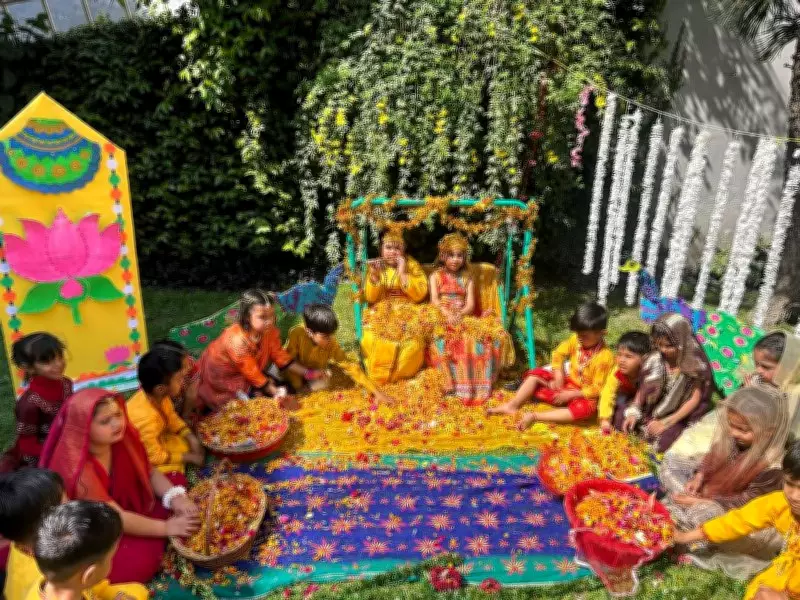
Schools throughout India recently observed the vibrant festival of Brij Phoolon Ki Holi, a traditional celebration that emphasizes the use of flowers instead of synthetic colors. This event, deeply rooted in the cultural heritage of the Braj region, was organized to educate students about eco-friendly practices and the rich traditions of Indian festivals. The celebration saw enthusiastic participation from students, teachers, and parents, fostering a sense of community and environmental responsibility.
Promoting Cultural Awareness and Environmental Values
The festival was marked by various activities designed to engage students in learning about their cultural roots. Schools decorated their premises with flowers, organized folk music and dance performances, and conducted workshops on the significance of Brij Phoolon Ki Holi. This initiative aimed to instill a deeper appreciation for India's diverse cultural practices while promoting sustainability. By using natural flowers, the event highlighted the importance of reducing chemical pollution and protecting the environment, aligning with broader educational goals of holistic development.
Educational Impact and Community Involvement
Teachers played a pivotal role in facilitating the celebrations, integrating lessons on history and environmental science into the festivities. Students actively participated in:

- Creating floral decorations and rangoli designs
- Performing traditional songs and dances from the Braj region
- Engaging in discussions on the ecological benefits of natural colors
Parents were also invited to join, making it a collaborative effort that strengthened school-community bonds. The event served as an interactive platform for experiential learning, where students could connect theoretical knowledge with practical cultural experiences.
Broader Implications for School Curricula
The celebration of Brij Phoolon Ki Holi in schools reflects a growing trend towards incorporating cultural education into academic programs. This approach not only enriches students' understanding of their heritage but also encourages critical thinking about modern environmental issues. Schools reported positive feedback from participants, noting increased student engagement and awareness. As educational institutions continue to embrace such initiatives, they contribute to preserving intangible cultural heritage while fostering a generation of environmentally conscious citizens.
In summary, the widespread observance of Brij Phoolon Ki Holi in schools underscores the importance of blending tradition with contemporary education. By celebrating this flower-based festival, schools are taking meaningful steps to promote cultural pride and sustainable practices among young learners.