CBSE 2026 Exams: English and Fashion Studies Papers Conclude with Mixed Reactions
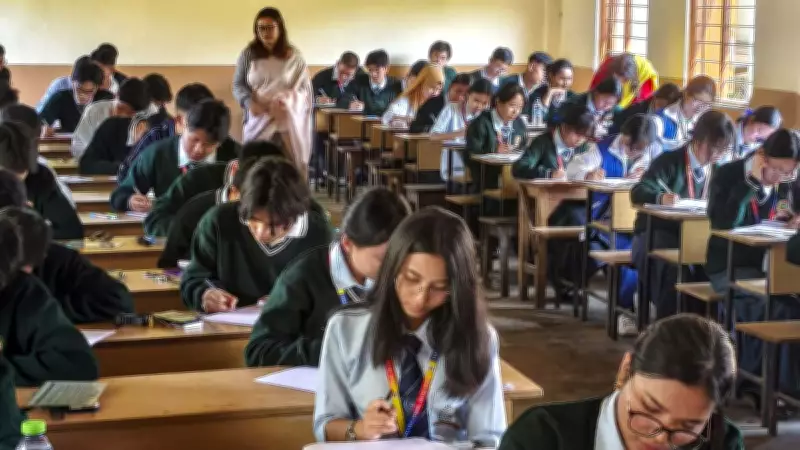
The Central Board of Secondary Education (CBSE) conducted the Class 10 English and Class 12 Fashion Studies examinations today as part of the ongoing 2026 board exams. The sessions witnessed a significant turnout of students across various centers, with strict adherence to the board's guidelines. This marks a crucial phase in the academic calendar, setting the tone for upcoming papers.
Paper Analysis: Class 10 English Exam
The Class 10 English paper was designed to test comprehensive language skills, including reading comprehension, writing, and grammar. According to initial feedback from teachers, the question paper balanced difficulty levels, with sections on literature and language receiving particular attention. Students reported that the comprehension passages were engaging but required careful analysis, while the writing tasks emphasized creativity and clarity.
Key highlights from the English paper include:

- A focus on application-based questions rather than rote learning.
- Inclusion of contemporary topics in reading passages to enhance relevance.
- Grammar sections that tested fundamental concepts with practical examples.
Teachers noted that the paper aligned well with the CBSE syllabus, though some students found time management challenging due to the detailed nature of certain questions.
Paper Analysis: Class 12 Fashion Studies Exam
The Class 12 Fashion Studies exam aimed to assess students' understanding of design principles, textile science, and industry trends. The paper featured a mix of theoretical and practical components, with questions on fashion history, sustainable practices, and garment construction. Initial reactions suggest that the exam was moderately difficult, with an emphasis on critical thinking and innovation.
Notable aspects of the Fashion Studies paper:
- Questions on eco-friendly fashion and digital design tools reflected current industry shifts.
- Case studies required students to apply theoretical knowledge to real-world scenarios.
- Diagram-based questions tested practical skills in pattern making and illustration.
Experts highlighted that the paper encouraged creativity, though some students felt unprepared for the depth of certain topics.
Guidelines and Exam Protocol
CBSE enforced stringent guidelines to ensure a fair and secure examination process. Key protocols included:
- Mandatory identity verification at entry points to prevent impersonation.
- Prohibition of electronic devices, with invigilators conducting regular checks.
- Adherence to time limits, with no extra time granted except under special circumstances.
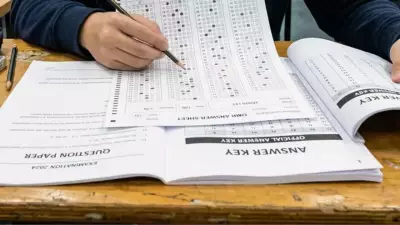
- Clear instructions on answer sheet formatting to minimize errors.
These measures were implemented to maintain the integrity of the exams, with officials reporting smooth conduct across most centers.
Student and Teacher Reactions
Reactions from students were mixed, with many expressing relief after completing the papers. For Class 10 English, students appreciated the balanced difficulty but cited stress over lengthy sections. In Class 12 Fashion Studies, feedback varied, with some praising the innovative questions while others found them challenging.
Teachers provided constructive insights, emphasizing the need for thorough preparation and time management. They commended CBSE for designing papers that promote holistic learning but suggested more practice resources for future exams.
Looking Ahead: Implications for Future Exams
The analysis of today's papers offers valuable lessons for upcoming CBSE exams. Students are advised to focus on application-based learning and regular revision. Teachers recommend incorporating more mock tests and interactive sessions to build confidence. As the 2026 exam series progresses, these insights will help shape preparation strategies, ensuring better outcomes for all stakeholders.