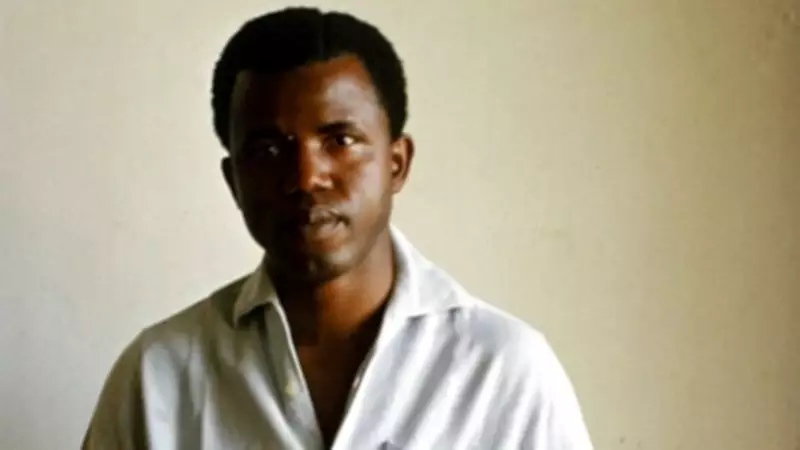
Chinua Achebe, the renowned Nigerian novelist and essayist, is remembered for his profound statement: "One of the truest tests of integrity is its blunt refusal to be compromised." This quote encapsulates his lifelong commitment to challenging colonial portrayals of Africa and elevating African voices, cultures, and histories within global literature.
Achebe's Legacy in African Literature
Achebe's most famous work, Things Fall Apart (1958), has sold over 20 million copies worldwide and been translated into more than 50 languages. The novel directly responds to colonial narratives by presenting Igbo society from an internal perspective, countering works like Joseph Conrad's Heart of Darkness. According to literary scholars, Achebe's writing fundamentally shifted how Africa is represented in world literature, moving from external caricatures to authentic self-representation.
The Integrity Quote in Context
The quote, drawn from Achebe's essay collections and interviews, reflects his belief that integrity demands unwavering resistance against compromise—whether political, cultural, or personal. Achebe often criticized African leaders who adopted colonial values at the expense of indigenous traditions. In his 1983 book The Trouble with Nigeria, he argued that the country's problems stemmed from a failure of leadership integrity, stating, "The Nigerian problem is the unwillingness or inability of its leaders to rise to the responsibility of the challenge of personal example."

Impact on Global Literature and Education
Achebe's works are now required reading in schools and universities across Africa, Europe, and North America. According to UNESCO, his novels are among the most studied African texts globally. His influence extends beyond literature into postcolonial studies, where his critiques of Conrad and colonial anthropology remain foundational. The quote on integrity resonates particularly in educational contexts, encouraging students to question dominant narratives and uphold ethical standards in their own work.
Continued Relevance
Today, Achebe's call for integrity remains urgent as debates over cultural appropriation, historical revisionism, and representation continue. His insistence on African agency and self-definition inspires new generations of writers, activists, and scholars. As noted by the African Literature Association, Achebe's legacy is not merely literary but also ethical, challenging readers to confront uncomfortable truths about power, identity, and memory.