In a decisive move to protect young children from hazardous air, the Delhi government has suspended all physical classes for students up to Class 5. The directive, issued on December 15, 2024, mandates a shift to online learning as the capital grapples with a severe spike in pollution levels.
Government Directive and Immediate Actions
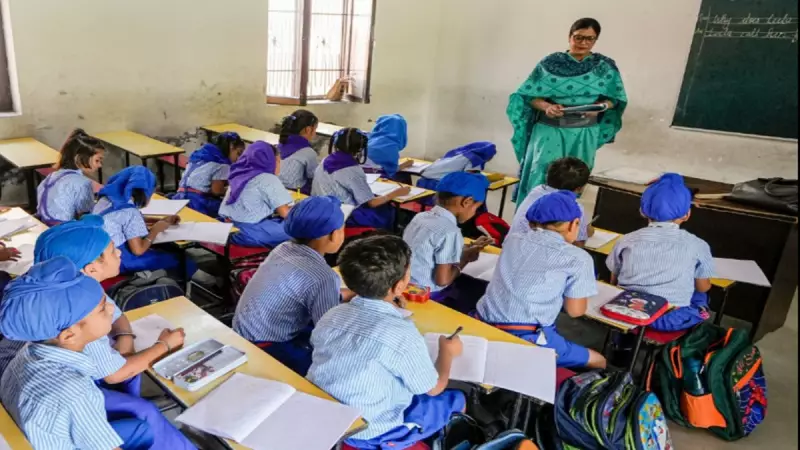
The order from the Delhi government is clear and immediate. All schools, including private institutions, must halt in-person teaching for students from Nursery to Class 5 until further notice. For students in classes 6 to 12, schools have the option to conduct online classes, though physical attendance is not compulsory. This decision was formalized through an official circular from the Directorate of Education, citing the need to safeguard children's health during the ongoing air quality crisis.
The trigger for this action is the implementation of Stage IV of the Graded Response Action Plan (GRAP) by the Commission for Air Quality Management (CAQM). This highest alert stage is activated when the Air Quality Index (AQI) is projected to cross the 450 mark, indicating 'severe plus' conditions. Delhi's AQI has consistently remained in the 'severe' category for several days, with monitoring agencies reporting values well above 400 at multiple stations across the city.

Health Advisory and Broader GRAP Measures
Alongside the school closure, the government has issued a stern health advisory. It strongly recommends that all children, the elderly, and individuals with pre-existing respiratory or cardiovascular conditions avoid outdoor activities and limit their exposure to the polluted air. The advisory emphasizes staying indoors as much as possible and using N95 or KN95 masks if venturing outside is unavoidable.
The school suspension is part of a larger set of restrictions under GRAP Stage IV. Other critical measures that have come into force include:
- A ban on the entry of truck traffic into Delhi, with exemptions for essential commodities.
- A prohibition on the operation of diesel-powered Medium and Heavy Goods Vehicles within the city.
- The closure of all construction and demolition activities, barring essential projects.
- Directions for 50% of staff in government and private offices to work from home.
These steps highlight the severity of the situation and the administration's multi-pronged approach to mitigating the public health emergency.
Context and Long-Term Implications
This is not the first time Delhi has taken such a drastic step. The city faces an annual cycle of toxic air every winter, primarily due to a combination of local vehicle emissions, industrial pollution, and stubble burning in neighboring states. The recurring school disruptions point to a deeper, systemic environmental challenge that requires sustained, year-round policy intervention beyond emergency measures.
For the education sector, the shift to mandatory online classes revives the infrastructure and protocols established during the COVID-19 pandemic. While it ensures continuity of learning, it also raises concerns about the digital divide, the effectiveness of remote teaching for young learners, and the added burden on working parents. The directive places the responsibility on school administrations to ensure a smooth transition to virtual platforms and maintain academic engagement until the air quality shows significant and sustained improvement.
The government has stated that the situation will be reviewed continuously. The resumption of physical classes for the affected grades is entirely dependent on a substantial improvement in AQI levels and the subsequent de-escalation of GRAP stages by the CAQM. For now, the health of Delhi's youngest citizens remains the paramount concern.