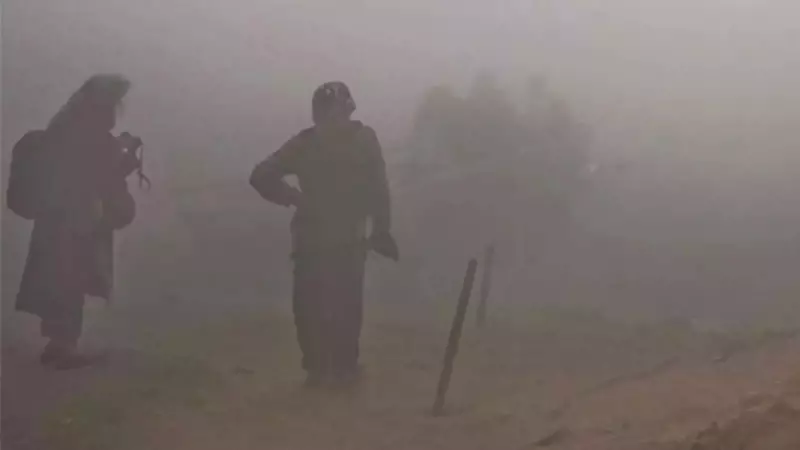
As air quality across the National Capital Region plummeted to severe levels, authorities in Delhi, Noida, and Ghaziabad have mandated a shift to online education for younger students. The move, aimed at mitigating health risks from prolonged exposure to toxic air, impacts lakhs of children enrolled in government, aided, and private institutions across these three key regions.
Primary Classes Move Fully Online
The revised guidelines mandate a complete suspension of in-person learning for the youngest pupils. Physical classes for students from Nursery to Class V have been discontinued until further notice, with schools directed to switch exclusively to online mode. This decisive action follows the enforcement of GRAP (Graded Response Action Plan) Stage-IV restrictions, triggered by persistently hazardous Air Quality Index (AQI) readings.
In the national capital, the Directorate of Education issued a directive covering all recognized schools under its purview, including those run by the DoE, NDMC, MCD, and the Delhi Cantonment Board. An official notice cited the "prevailing high AQI levels in Delhi" as the reason for discontinuing physical classes for the specified grades.

The Gautam Buddh Nagar administration in Noida announced a similar mandate, requiring all students from pre-nursery to Class V to attend classes entirely online. This order also extends to coaching centres operating within the district. Echoing this, Ghaziabad's District Inspector of Schools issued instructions for online classes from pre-nursery and nursery up to Class V, citing the "adverse impact on the health of students."
Hybrid Learning Model for Middle Grades
For students in Classes VI to IX and Class XI, authorities have introduced a more flexible, hybrid approach. Schools in Delhi, Noida, and Ghaziabad are permitted to adopt a model that combines both online and physical attendance, wherever digital infrastructure is available.
The Delhi government clarified that students and their guardians would have the option to choose online classes if feasible. Both Noida and Ghaziabad have adopted this blended structure for these middle grades, aiming to balance necessary academic continuity with health concerns amid the pollution crisis.
Board Classes Continue Uninterrupted
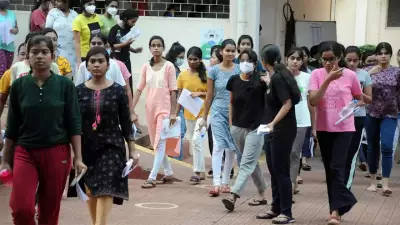
In a significant exemption, students of Classes X and XII will continue to attend school according to their regular schedules. Schools have been allowed to proceed with pre-board examinations and ongoing practical assessments. Authorities have not announced any alterations for these crucial academic years, underscoring the importance of adhering to examination and assessment timelines for board-level students.
Operational Challenges and Parental Concerns
While many parents of primary students welcomed the shift to online learning as a protective measure, concerns persist regarding older children who continue physical attendance. Some parents expressed anxiety about exposure to polluted air during travel and school hours.
Educators have also highlighted practical difficulties associated with the hybrid teaching system. Teachers report an increased workload and complications in lesson delivery as they manage students attending both online and in-person simultaneously. Parents of children in online mode sometimes expect undivided attention, while teachers must also cater to those present in the classroom, creating pressure on both ends.
Officials have stated that these arrangements will remain in effect until further orders, with the situation under constant review as AQI levels across Delhi-NCR continue to be critical.