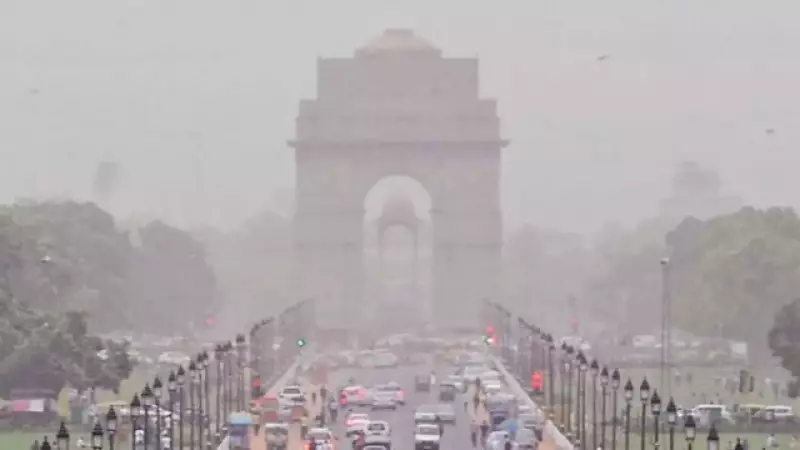
In a decisive move to protect young children from a severe public health crisis, the Delhi Government has mandated an immediate shift to digital learning for all primary school students. This urgent directive comes as the national capital grapples with a thick, toxic smog blanket and air quality indices (AQI) soaring to dangerous heights, compelling authorities to suspend physical classroom activities.
Why Delhi Schools Are Embracing Online Mode Again
The trigger for this massive educational shift is an environmental emergency. Over recent days, Delhi's air quality has plummeted, consistently registering in the 'severe to hazardous' category. The safe AQI benchmark is 50, but readings across the city have extensively surpassed this, with some areas recording alarming levels between 450 and 500. This hazardous pollution, characterized by reduced visibility and a palpable smog, poses serious inflammation risks to lungs and hearts, and is particularly dangerous for asthmatics.
This annual winter spike is a result of a toxic cocktail of factors: emissions from vehicles, dust from construction sites, industrial pollution, stagnant atmospheric conditions due to low temperatures, and the critical issue of crop residue burning in neighboring states. Experts warn that this combination creates a health-threatening smog, necessitating drastic protective measures.

Details of the Government's Emergency Directive
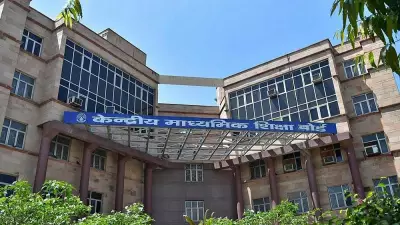
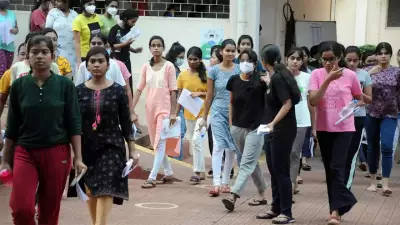
Acting on these grave concerns, the Delhi Directorate of Education has issued a circular applicable to all schools—government, private, aided, and unaided. The order mandates the cancellation of in-person classes for students from nursery up to class 5. These young learners must now attend school exclusively via online modes until further notice.
For senior students above class 5, a hybrid model of learning has been extended. This provides students and parents the flexibility to choose between attending physical classes or opting for online sessions based on their assessment of the situation and health advisories. This marks a significant, targeted return to digital pedagogy, specifically for the youngest and most vulnerable school-going demographic.
The Critical Need to Shield Young Lungs
While air pollution affects everyone, the directive is especially timely for young children. Their developing respiratory systems are far more susceptible to damage. Children breathe at a faster rate than adults, meaning they inhale more polluted air per unit of body weight. Exposure to such severe pollution can lead to immediate and long-term health consequences, including:
- Persistent coughing, wheezing, and sore throat.
- Increased risk of acute asthma attacks and bronchitis.
- Impaired lung development, which can have lifelong effects.
- A rise in doctor visits and dependence on medication.
Health authorities strongly advise limiting outdoor exposure. For primary school children, whose routines involve travel and outdoor activities, moving education indoors is deemed the safest preventive action.
Navigating the Challenges of a Digital Shift
However, this essential health-driven transition is not without significant hurdles. Educators and administrators face several immediate challenges:
The Digital Divide: A major concern is equitable access. Not every student, particularly those from economically disadvantaged communities, has reliable internet connectivity or a personal device at home for attending online classes.
Learning Efficacy: Engaging young children in a virtual classroom requires innovative teaching methods. Teachers are under pressure to adapt their pedagogy, while young learners often need hands-on supervision and assistance that is harder to provide online.
Parental Burden: With many parents being working professionals, the shift places an additional responsibility on them to facilitate home-based learning, creating a complex work-life-education balance.

Most school leaders acknowledge that online tutoring, while a crucial stopgap, is not a complete substitute for in-person schooling. The hope across the education sector is that this remains a temporary but vital step to ensure educational continuity without compromising student health. All future decisions will hinge on the trajectory of Delhi's air quality in the coming days and weeks.