Himachal Pradesh Teachers Rally Against Proposed Separate Cadre for CBSE Schools
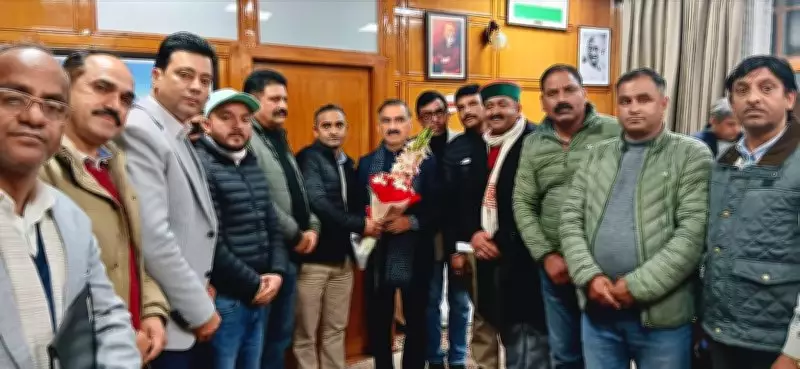
In a significant development in the education sector of Himachal Pradesh, a delegation of teachers recently met with Chief Minister Sukhvinder Singh Sukhu to express their firm opposition to the proposed creation of a separate cadre for Central Board of Secondary Education (CBSE) schools. This meeting highlights growing concerns among educators regarding potential reforms that could reshape the state's educational landscape.
Grounds for Opposition and Teacher Apprehensions
The teachers articulated several key reasons for their resistance to the separate cadre proposal. Primarily, they fear that such a move might introduce unnecessary disparities within the teaching community, potentially leading to a two-tier system where CBSE school teachers could be perceived as having different statuses or privileges compared to their counterparts in state board schools. This, they argue, could undermine unity and collaboration among educators, which are crucial for maintaining high educational standards across Himachal Pradesh.
Additionally, the teachers raised concerns about possible administrative complexities and logistical challenges that might arise from managing two separate cadres. They worry that this could result in inefficient resource allocation, confusion in teacher transfers, and increased bureaucratic hurdles, ultimately affecting the quality of education delivered to students. The delegation emphasized that the current integrated system has been functioning effectively and that any changes should be carefully evaluated to avoid disrupting the state's educational harmony.

Chief Minister's Response and Future Implications
During the meeting, Chief Minister Sukhvinder Singh Sukhu listened attentively to the teachers' grievances and assured them that their feedback would be taken into serious consideration. He acknowledged the importance of a unified and equitable education system in Himachal Pradesh and promised to review the proposal thoroughly before making any decisions. This response indicates a cautious approach by the state government, balancing potential policy innovations with the need to address stakeholder concerns.
The outcome of this dialogue could have far-reaching implications for education policy in Himachal Pradesh. If the separate cadre is implemented, it might lead to:
- Changes in teacher recruitment and promotion processes
- Alterations in salary structures and benefits for CBSE school teachers
- Potential shifts in curriculum alignment and academic standards
Conversely, if the proposal is shelved based on teacher opposition, it could reinforce the status quo and highlight the government's commitment to inclusive decision-making. The situation underscores the ongoing debate between standardization and customization in Indian education, as states like Himachal Pradesh navigate the complexities of integrating national boards like CBSE with local educational frameworks.
This development also reflects broader trends in Indian education, where teachers' unions and associations are increasingly vocal in policy discussions, advocating for reforms that prioritize equity and operational efficiency. As Himachal Pradesh continues to enhance its educational infrastructure, the resolution of this issue will be closely watched by educators, policymakers, and parents across the state.