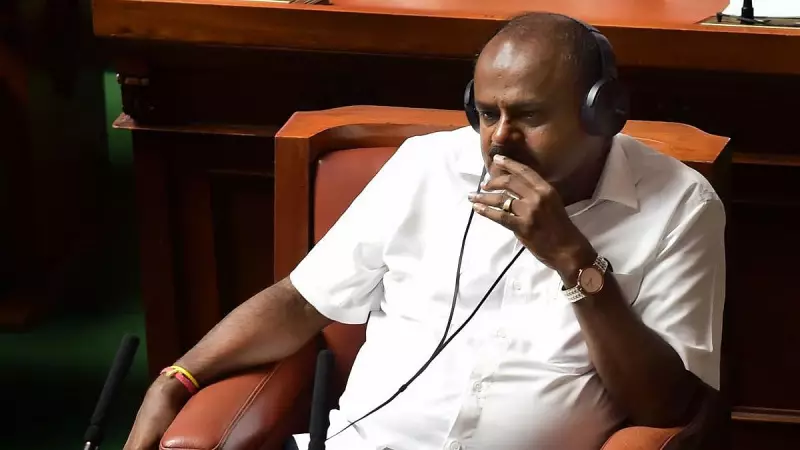
In a significant move concerning India's educational framework, former Karnataka Chief Minister and JD(S) leader H.D. Kumaraswamy has formally requested the Union Education Minister to incorporate the teachings of the Bhagavad Gita into the national school curriculum.
A Formal Appeal for Cultural Integration
The appeal was made on December 5, 2025, with Kumaraswamy urging the minister to issue necessary directives to the concerned officials. The core of his request is the meaningful integration of the ancient scripture's timeless values and philosophical insights into the educational syllabus for students across the country.
Kumaraswamy's proposition emphasizes not just religious study but the universal ethical and life principles enshrined in the text. He argues that the Gita's teachings on duty, righteousness, and moral decision-making can play a crucial role in shaping the character and worldview of young minds.

The Rationale Behind the Proposal
Proponents of this initiative believe that the Bhagavad Gita, as a key text of Indian philosophy, offers profound lessons in leadership, ethics, and managing life's challenges. The move is seen as part of a broader discourse on indigenizing education and strengthening the connection between modern pedagogy and India's rich intellectual heritage.
Integrating such content, however, requires careful pedagogical planning to ensure it is presented in an academic, inclusive, and value-oriented manner, rather than a purely religious one. The focus, as highlighted in the appeal, is on the scripture's "timeless values" that transcend specific theological boundaries.
Potential Implications and the Path Forward
This request is likely to spark extensive debate among educators, policymakers, and various stakeholders in the Indian education system. Key points of discussion will include curriculum design, teacher training, and maintaining the secular spirit of the educational framework while introducing classical texts.
The Union Education Ministry's response to this appeal will be closely watched. It holds the potential to set a precedent for how traditional knowledge systems are woven into contemporary formal education in India. The decision will need to balance cultural preservation with the diverse and pluralistic fabric of Indian society.
As of now, the ball is in the court of the Education Ministry to consider the request and decide on the next steps, which could involve consultations with academic bodies and state education boards.