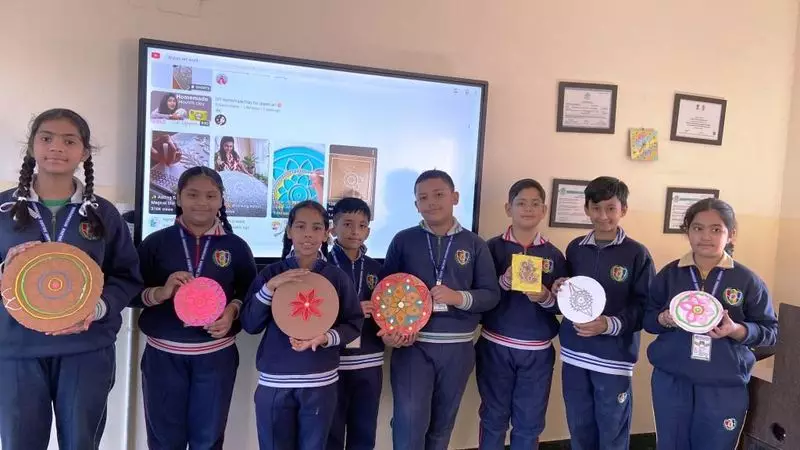
A vibrant workshop dedicated to the traditional Lippan art form was recently organized for students, providing a unique platform to engage with India's rich cultural heritage through hands-on creativity.
Blending Tradition with Modern Education
The event was specifically designed to introduce young learners to the intricate craft of Lippan Kam, also known as Mud and Mirror work. This art form, which originates from the Kutch region of Gujarat, involves creating beautiful relief work using a mixture of clay and camel dung, adorned with pieces of mirror. The workshop aimed to move beyond textbook learning, offering a tangible connection to a fading traditional skill.
Under the guidance of instructors, students eagerly participated in the creative process. They learned the basic techniques of preparing the mud mixture, applying it to create patterns and designs, and carefully embedding mirrors to complete the artwork. The activity was not merely an art class but an immersive cultural experience, highlighting the importance of preserving indigenous crafts.

Fostering Creativity and Cultural Appreciation
The primary objective of organizing this creative activity on traditional Lippan art was multifaceted. It sought to ignite artistic expression among students while simultaneously instilling a deep sense of respect for India's diverse artisanal traditions. By working with their hands, students developed patience, precision, and an appreciation for the skill involved in this craft.
Educators at the event emphasized that such workshops play a crucial role in holistic education. In an era dominated by digital screens, tactile activities like Lippan art help improve fine motor skills and concentration. More importantly, they serve as a living lesson in history and geography, connecting students to the cultural landscape of Kutch.
A Step Towards Preserving Heritage
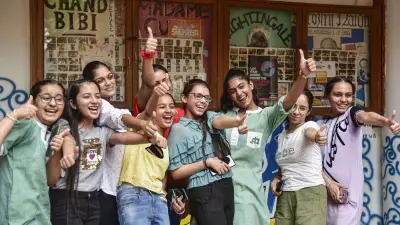
The enthusiastic response from the students underscored the success of the initiative. Many participants expressed fascination with the texture of the materials and the reflective beauty of the final product. The workshop successfully transformed a traditional art form from a distant concept into a personal, creative achievement for each attendee.
Events like this Lippan art workshop are vital for keeping intangible cultural heritage alive. By introducing these crafts to the younger generation in an interactive and engaging manner, schools become custodians of tradition. This initiative demonstrates how educational institutions can effectively bridge the gap between the past and the present, ensuring that beautiful art forms like Lippan do not fade into obscurity but are carried forward with pride and innovation by future generations.