Maharashtra Government Implements Stricter Verification for RTE Admissions
The Maharashtra state government has announced a significant policy shift to prevent the misuse of the free school admission scheme under the Right to Education (RTE) Act. This move aims to ensure that the benefits of the program are directed toward genuinely deserving students from economically weaker sections.
Enhanced Scrutiny of Income Documents
Under the RTE Act, one of the key categories for free admissions to private schools is the 'economically weaker section' (EWS). Parents applying under this category are required to submit proof of their income, typically in the form of an income certificate issued by district authorities. However, it has been observed that these certificates can sometimes be obtained based merely on an affidavit, leading to potential misuse.
There are growing suspicions that many parents, including those who are financially well-off, are exploiting this loophole to avail of free admissions meant for the underprivileged. In response, the government has decided to increase the scrutiny of these income documents to maintain the integrity of the scheme.

Official Announcement at Principals Conclave
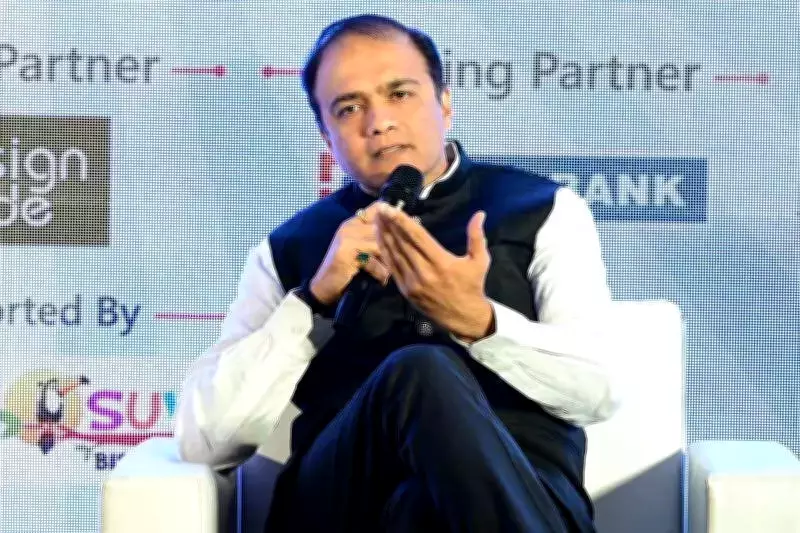
Minister of State for School Education, Pankaj Bhoyar, addressed this issue during a Q&A session at the Times Principals Conclave (TPC) on Saturday. He revealed that from this year onwards, all income submissions will be subjected to meticulous cross-checking. "This year we took a decision that all such documents will be cross checked. This will be done well before the child is allotted a school for admission," Bhoyar stated.
This proactive measure is designed to verify the authenticity of income certificates before admissions are finalized, thereby preventing fraudulent claims and ensuring that the scheme serves its intended purpose.
Potential Use of AI Technology
While Bhoyar did not provide specific details on the methods to be employed for document verification, it is anticipated that the government may leverage advanced technology. The recent surge in the use of artificial intelligence (AI) for fraud detection could play a crucial role in this process.
AI-powered systems can analyze documents for inconsistencies, cross-reference data with other government databases, and identify patterns indicative of fraudulent activity. This technological approach would enhance the accuracy and efficiency of the verification process, making it harder for ineligible applicants to bypass the system.
Impact on School Admissions
The implementation of stricter verification measures is expected to have a profound impact on the RTE admission process in Maharashtra. By ensuring that only eligible students benefit from the scheme, the government aims to:
- Promote fairness and equity in education access.
- Optimize the allocation of resources to support truly needy families.
- Strengthen public trust in the RTE Act and its provisions.
This initiative underscores the government's commitment to upholding the principles of the RTE Act while addressing practical challenges in its execution. As the new verification protocols are rolled out, stakeholders, including schools and parents, will need to adapt to the enhanced scrutiny to ensure a smooth and transparent admission process.