NCERT Takes Drastic Action: Full Textbook Withdrawn Over Controversial Chapter
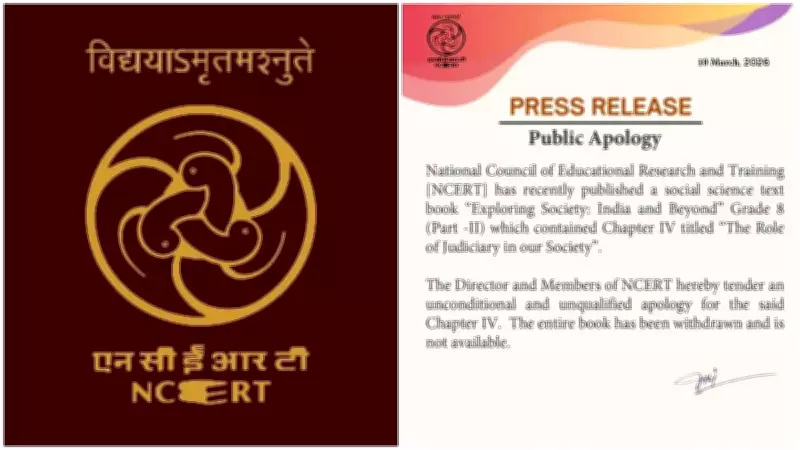
In a significant development within India's educational sphere, the National Council of Educational Research and Training (NCERT) has made the unprecedented decision to withdraw an entire social science textbook from circulation. This drastic measure comes in direct response to a highly contentious chapter that addressed the sensitive topic of corruption within the judiciary. The council has formally apologized for the inclusion of this material, acknowledging that it contained errors and conveyed unintended implications that could mislead students and undermine public trust in judicial institutions.
Unpacking the Controversial Content and Immediate Fallout
The chapter in question, which was part of a textbook intended for school students, presented discussions and case studies allegedly pointing to corrupt practices among judges and within the court system. Following its publication, the content quickly ignited a firestorm of criticism from legal experts, educators, and sections of the public who argued that it presented a one-sided and potentially damaging portrayal of India's judiciary without proper context or factual rigor.
The NCERT's official statement clarified that the withdrawal was not merely a revision but a complete recall of the book. This indicates the severity with which the council viewed the lapse. "We deeply regret the oversight and any distress caused. The chapter did not meet our stringent editorial standards and has been removed entirely," a senior NCERT official stated. The apology emphasized the council's commitment to upholding the integrity of educational materials and its respect for the judiciary's role in democracy.

Broader Implications for Educational Content and Oversight
This incident raises critical questions about the processes involved in drafting and approving NCERT textbooks, which are used by millions of students across the country. It highlights the delicate balance required when covering complex, real-world issues in a curriculum designed for young learners. Experts suggest that while discussing governance and transparency is essential, it must be done with accuracy, nuance, and a constructive aim.
The withdrawal has prompted calls for a thorough review of existing textbooks to prevent similar occurrences. Key stakeholders in education are now advocating for enhanced multi-layer checks, including consultations with subject matter experts and legal authorities, before sensitive content is finalized. This proactive approach could help safeguard against factual inaccuracies and ensure that educational materials foster critical thinking without spreading misinformation or eroding institutional faith.
Furthermore, this event underscores the ongoing challenges in curriculum development within a diverse and dynamic society. It serves as a reminder of the profound responsibility held by educational bodies to present balanced perspectives, particularly on topics as pivotal as the judiciary, which is a cornerstone of democratic governance. The NCERT's swift action and apology may set a precedent for handling such controversies, emphasizing transparency and accountability in educational publishing.