Delhi University Rejects Rahul Gandhi's Allegations on Admission Interviews
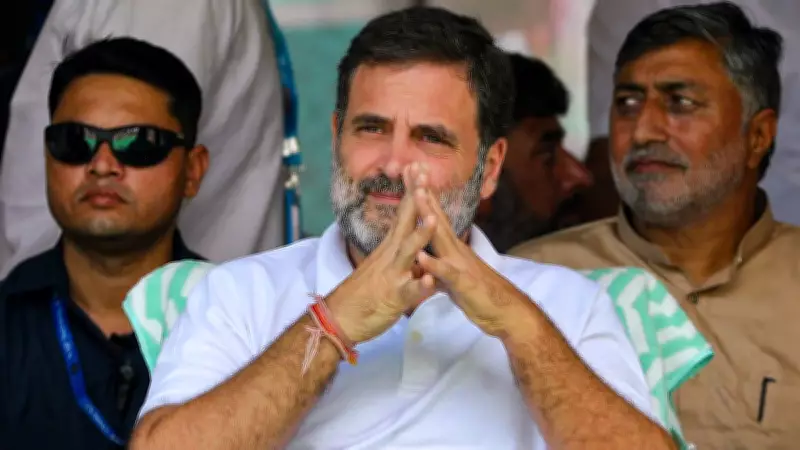
Delhi University (DU) has issued a strong rebuttal to allegations made by Congress leader Rahul Gandhi, who claimed that the university employs interviews as a tool to eliminate students during the admission process. The university administration has categorically denied these accusations, emphasizing its unwavering commitment to fairness and transparency in all academic procedures.
Background of the Controversy
The controversy erupted after Rahul Gandhi, during a public address, suggested that Delhi University uses interviews not as a means of assessing merit but rather to arbitrarily exclude students from securing admissions. This statement sparked widespread debate and concern among students, parents, and educational stakeholders across the nation.
In response, Delhi University officials have clarified that interviews are conducted solely for specific courses where they are deemed necessary to evaluate a candidate's aptitude, communication skills, and overall suitability. The university asserts that these interviews are carried out with strict adherence to established guidelines and are designed to ensure a holistic assessment of applicants.

University's Defense of Its Admission Process
Delhi University has defended its admission protocols, highlighting that interviews are just one component of a multi-faceted selection process that also includes academic records, entrance exam scores, and other relevant criteria. The university administration stated that all procedures are meticulously planned to prevent any form of bias or discrimination.
Key points from Delhi University's response include:
- Transparency: The university maintains that its admission criteria are publicly disclosed and applied uniformly to all candidates.
- Merit-Based Selection: Officials reiterated that the primary goal is to select students based on merit and potential, not to arbitrarily eliminate them.
- Regulatory Compliance: DU emphasized that its processes align with the guidelines set by the University Grants Commission (UGC) and other regulatory bodies.
Political and Educational Implications
Rahul Gandhi's allegations have injected a political dimension into the discourse on higher education admissions in India. Critics argue that such statements could undermine public trust in premier institutions like Delhi University, while supporters contend that they highlight necessary scrutiny of admission practices.
Educational experts have weighed in, noting that while interviews can be subjective, they are a common tool in many universities worldwide for assessing non-academic qualities. However, they also stress the importance of robust safeguards to ensure fairness.
Delhi University has called for a fact-based discussion on the matter, urging stakeholders to refrain from making unsubstantiated claims that could harm the institution's reputation and the morale of its student community.
Looking Ahead
As the debate continues, Delhi University has assured that it remains open to feedback and is continuously working to improve its admission processes. The university plans to engage with student bodies and other stakeholders to address any concerns and reinforce its commitment to equitable education.
This incident underscores the ongoing challenges in balancing transparency, meritocracy, and political accountability in India's higher education sector, with Delhi University at the center of a national conversation on fair admissions.