In a remarkably frank assessment, Harvard University President Alan M. Garber has publicly stated that the institution "went wrong" by permitting its faculty members to introduce their personal political beliefs into teaching. He argues this practice has significantly dampened open debate and the spirit of free speech on the prestigious campus.
Podcast Remarks Highlight a Cultural Shift
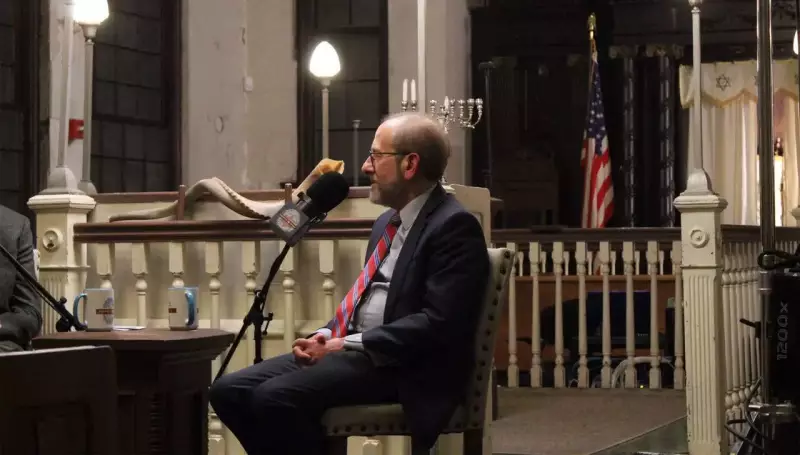
Garber made these unusually candid comments during a live recording of the Identity/Crisis Podcast produced by the Shalom Hartman Institute on December 16, 2025. He was in conversation with the institute's president, Yehuda Kurtzer. The discussion, later covered in detail by the Harvard Crimson, was recorded just one day after Garber's own presidential term was extended indefinitely.
Garber directly linked a noticeable decline in tolerance for disagreement across higher education to a culture that allows professors to foreground their personal identities and beliefs during instruction. "How many students would actually be willing to go toe-to-toe against a professor who's expressed a firm view about a controversial issue?" Garber questioned, highlighting the intimidating atmosphere this can create for learners.

Impact on Discourse and Rise of Antisemitism
This represents Garber's most direct public acknowledgement that faculty behaviour has actively contributed to weakened discourse at Harvard. The context of his presidency has been heavily shaped by controversies over free speech following the October 7, 2023 attack on Israel, which intensified deep divisions on campus.
Garber explicitly stated that after October 7, some faculty members promoted anti-Israel views in their classrooms. "It did happen in classrooms that professors would push this," he said. He connected this trend to a rise in antisemitism on campuses, identifying "social shunning" as the most pervasive form. He cited experiences of Israeli students who reported conversations ending abruptly once they revealed their nationality.
Policy Responses and the Path to Neutrality
In response to these challenges, Harvard has adopted an institutional voice policy. This commits the university and its senior leaders to avoid taking official stances on external policy matters. Garber has emphasised restraint under this policy, particularly within classrooms, though he has made limited personal exceptions.
Rather than focusing on punishment, Garber highlighted proactive measures. These include revisions to student orientation programs with new modules on discussing controversial topics, and implementing recommendations from task forces addressing bias. He also defended Harvard's stricter protest and speech policies, stating it was "relatively straightforward" to clarify the rules of engagement.
While not directly referencing an April demand from the Trump administration for governance reforms to curb faculty activism, Garber reiterated that Harvard is "not about the activism" and should remain focused on evidence-based teaching. He expressed a commitment to restoring neutrality in teaching, noting there has been "real movement to restore balance in teaching" at the university.