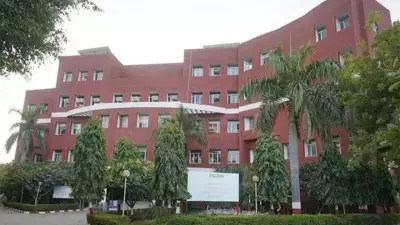
The future of 150 aspiring doctors hangs in the balance after the National Medical Commission (NMC) took a stringent action against the Government Medical College (GMC) in Anantnag, Jammu and Kashmir. The apex medical education regulator has decided not to renew permission for the college to admit new batches to its MBBS program, citing significant infrastructural and faculty deficiencies. This move has plunged current students into a state of profound uncertainty regarding their academic and professional trajectories.
The Core of the Controversy: NMC's Inspection Findings
The crisis stems from a surprise inspection conducted by the NMC at GMC Anantnag. The inspection report, which forms the basis of the regulator's drastic decision, highlighted critical shortcomings that the college failed to address within the stipulated grace period. The primary issues identified were a severe shortage of both teaching faculty and resident doctors, coupled with inadequate infrastructure that does not meet the minimum standards prescribed for medical education in India.
According to the norms, a medical college must maintain a specific faculty-to-student ratio and have a fully functional hospital with sufficient bed capacity and specialist units to provide clinical training. The NMC found GMC Anantnag lacking on multiple fronts of these essential parameters. Despite being given time to rectify the problems, the college administration could not demonstrate sufficient improvement to satisfy the commission's requirements, leading to the non-renewal of permission.

Student Anxiety and Administrative Response
The NMC's action directly impacts 150 MBBS students enrolled in the college. The most immediate fear among the student community is the validity of their degrees and their eligibility to appear for crucial licensing examinations like the National Exit Test (NExT) in the future. There is palpable anxiety about whether their hard-earited medical education will be recognized, potentially derailing years of effort and investment.
In response to the growing turmoil, the college administration has moved to reassure students and the public. Principal Dr. Syed Tariq Qureshi has stated that the issue pertains only to the renewal of permission for new admissions and does not affect currently enrolled students. He emphasized that the college is working diligently with the Jammu and Kashmir administration to swiftly fill the vacant faculty positions and upgrade the infrastructure. The administration claims that the recruitment process for over 100 faculty positions is already underway and that they are hopeful of a positive review from the NMC in the coming months.
A Systemic Challenge and the Path Forward
This incident is not an isolated one but points to a larger, systemic challenge in rapidly expanding medical education infrastructure without ensuring concurrent resource allocation. The establishment of new medical colleges, especially in regions like Jammu and Kashmir, is a positive step for healthcare access, but it must be backed by sustainable planning for human resources and physical assets.
The onus is now on the UT administration and the health department to intervene decisively. A speedy resolution is imperative not only for the morale and future of the 150 affected students but also for the credibility of the region's healthcare education system. The coming weeks will be critical as the college races against time to meet compliance standards and potentially appeal to the NMC for a review. The outcome will set a significant precedent for how such regulatory challenges are managed in the future, balancing necessary quality control with the career aspirations of students and the healthcare needs of the nation.