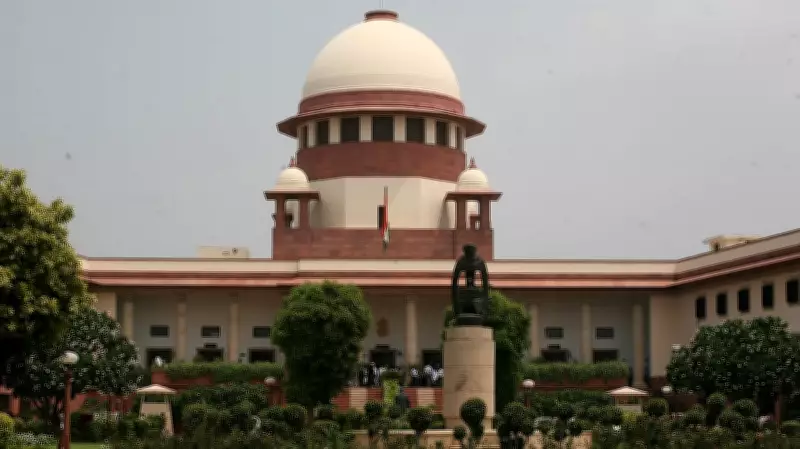
Supreme Court Overturns Madras High Court's Stay on Tamil Nadu University Amendments Acts
In a significant legal development, the Supreme Court of India has set aside the Madras High Court's stay order on the operation of 10 Tamil Nadu University Amendments Acts. The apex court has directed a fresh hearing in the matter, marking a pivotal moment in the ongoing dispute over university governance in the state.
Background of the Case
The Madras High Court had previously stayed the operation of these 10 Acts, which were enacted by the Tamil Nadu government. The High Court's decision was based on the grounds that these amendments were deemed to have given assent to the extent of taking away powers of the Governor as the Chancellor of certain State Universities in Tamil Nadu. This move sparked a constitutional debate over the balance of power between state governments and the Governor's office in higher education institutions.
Supreme Court's Directive for Fresh Hearing
The Supreme Court, in its ruling, has not only set aside the stay but also ordered a fresh hearing before the Madras High Court. This directive emphasizes the need for a thorough re-examination of the legal and constitutional implications of the Acts. The court's decision underscores the importance of due process and judicial review in matters affecting university administration and governance.

The 10 Acts in question are part of a broader legislative effort by the Tamil Nadu government to reform the structure and functioning of state universities. Proponents argue that these amendments aim to streamline administrative processes and enhance academic autonomy. However, critics contend that they undermine the traditional role of the Governor as Chancellor, potentially centralizing power with the state government.
Implications for Higher Education in Tamil Nadu
This legal battle has far-reaching implications for the higher education sector in Tamil Nadu. The outcome of the fresh hearing could set a precedent for how university laws are interpreted and implemented across India. Key stakeholders, including students, faculty, and administrators, are closely monitoring the situation, as it may affect governance models, funding, and academic policies in state-run universities.
The Supreme Court's intervention highlights the judiciary's role in resolving conflicts between state legislatures and constitutional authorities. By ordering a fresh hearing, the court ensures that all legal arguments are adequately considered, promoting fairness and transparency in the adjudication process.
Next Steps and Legal Proceedings
With the Supreme Court's directive, the case will now return to the Madras High Court for a fresh hearing. Legal experts anticipate that this will involve a detailed examination of the constitutional validity of the Acts, focusing on:
- The extent of the Governor's powers as Chancellor under existing laws.
- The legislative intent behind the Tamil Nadu University Amendments Acts.
- Potential impacts on university autonomy and governance structures.
The fresh hearing is expected to delve into these aspects, providing clarity on the legal framework governing state universities in Tamil Nadu. As the proceedings unfold, it will be crucial to observe how the High Court balances state legislative authority with constitutional safeguards.