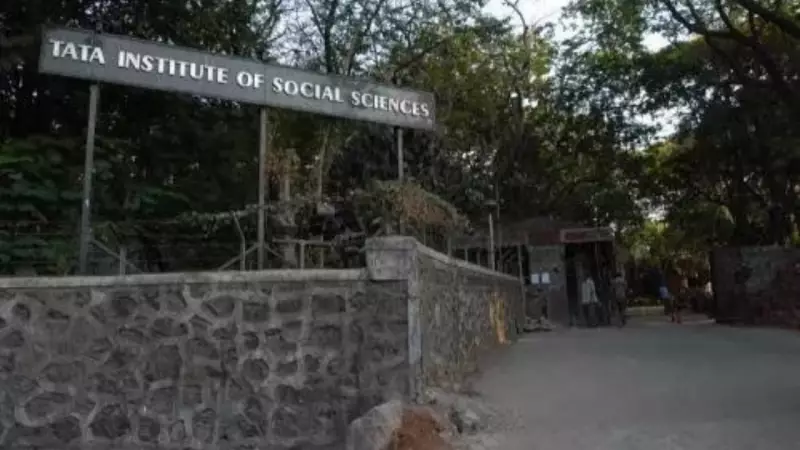
The inaugural edition of the TISS Parzor Academic Programme for Zoroastrian Studies proved to be a remarkable experiment in inclusive, lifelong learning. Over the past year, a vibrant online classroom of 50 participants, ranging from a curious five-year-old boy to an engaged 80-year-old retired executive, came together to explore the rich tapestry of Parsi Zoroastrian heritage. The outcome, as reported by participants and faculty, extended far beyond academic enrichment, fostering unexpected connections and creative projects.
A Classroom Without Boundaries
The programme's impact was vividly illustrated through the experiences of its students. A non-Parsi participant named Pradnya, inspired by her studies, collaborated with a Parsi priest in Tehran to design an innovative Instagram series featuring Avesta calligraphy with pronunciation guides. Another student, Gabrielle from Bologna, undertook a study of the water from the historic Parsi Tankas (underground water reservoirs) of Bharuch. For Ervad (Priest) Fatakia, the curator of the Alpaiwala Parsi Museum, the course provided deeper insights that enhanced his professional role, enabling him to answer public queries with greater confidence and ease.
Expert-Led Curriculum and Global Faculty
The brainchild of Professor Shernaz Cama, a veteran academic with 40 years of experience at Delhi University, the programme is structured to offer both a full certificate course and shorter modular options. It is designed for online participation from anywhere in the world. The second edition of this unique programme is scheduled to commence this week.

Professor Cama explained that the course is extendable over two years under the National Education Policy (NEP) and is valuable for learners seeking international academic credits. The programme boasts an impressive roster of international scholars, including Dr. Sarah Stewart and Dr. Almut Hintze from SOAS, University of London, and Abhimanyu Acharya from Ontario.
Literature, Cinema, and Direct Engagement
The curriculum's interdisciplinary nature was highlighted by Coomi Vevaina, a Professor of Literature at Mumbai University. She curated a segment focusing on poetry, fiction, drama, and cinema, bringing creators directly to the virtual classroom. Noted filmmaker Sooni Taraporevala discussed her work 'Little Zizou', while author Anosh Irani presented on 'Dahanu Road'. Similarly, Dina Mehta's daughter introduced the play 'Brides Are Not for Burning'. Sessions also featured Harish Nambiar teaching the poetry of Adil Jussawalla and Arundhati Subramaniam exploring the works of Keki Daruwalla.
The programme's success is also measured in tangible outcomes. One scholarship recipient, Sakshi from Delhi University, secured a position with a heritage company after completing the course. Initially unfamiliar with Zoroastrianism, Sakshi found the classroom's diversity—with peers her age alongside retired professionals—to be uniquely stimulating. "It was never about earning a certificate or degree," she reflected, "just an easy, slow, natural process of learning." Her academic journey into Zoroastrian demographics and culture led to a warm invitation from the Delhi Parsi Anjuman, where she felt a genuine sense of belonging.
Structure, Scholarships, and Future Plans
Course convenor Kerman Daruwalla noted that 27 students enrolled for the complete certificate, while others opted for specific short modules. The syllabus covers a broad spectrum, from Parsi Zoroastrian history, culture, and demographics to cinema and theatre—encompassing both tangible and intangible heritage.
A key unique selling point is direct access to world-renowned experts. For instance, Dr. Almut Hintze of London, one of the world's foremost scholars in the ancient Avestan language, teaches a module that would otherwise require enrollment at a university like London's SOAS. Daruwalla emphasized that across ten courses, students learned directly from 50-60 guest experts, including authors, poets, and actors.

Scholarships will continue to be available for the new session. Taking feedback from the first batch into account, Professor Cama mentioned that the content, which some found too intensive, will now be delivered sequentially rather than simultaneously, allowing for a more paced and digestible learning experience.