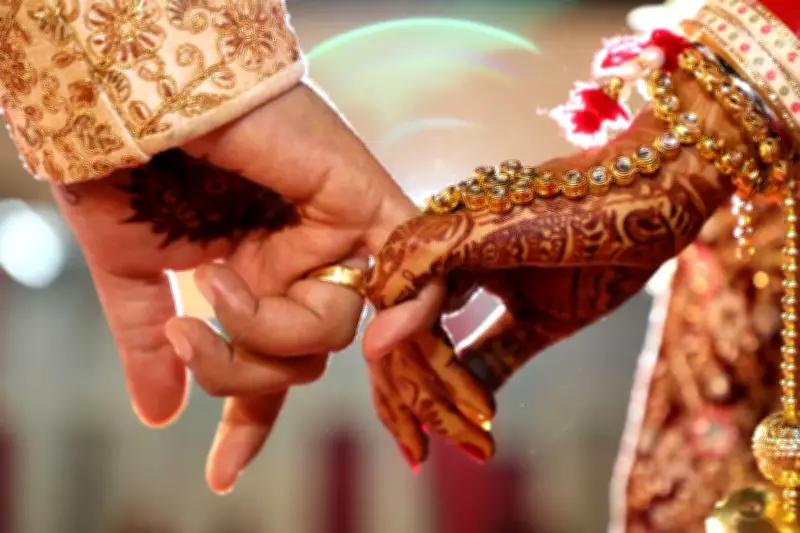
At a recent wedding, I found myself admiring a young groom in an exceptionally elegant sherwani. Cream silk, restrained embroidery, the sort of understated luxury that announces both money and good tailoring. “You look magnificent,” I told him. He smiled with the fatigue peculiar to Indian grooms and replied, “Upar sherwani, andar sirf pareshani.” That line contained more truth about marriage than the evening’s 800 kilos of imported flowers.
The Anthropology of Delhi Weddings
Delhi weddings are extraordinary anthropological events. Officially they celebrate love, family and sacred union. In practice, they are exhibitions involving logistics, vanity, diplomacy and endurance. One arrives not merely as a guest but as a witness to a civilisation attempting to out-decorate itself.
The drive to the venue is the first rite of passage. The further away the farmhouse, the greater the implied prestige. By the time one finally reaches the illuminated gates after crawling through processions of luxury cars and rogue baraats, one feels less invited than tested.

The Unspoken Competitions
And then the contest begins. Not a declared contest, yet the intention hovers everywhere. There is flower diplomacy: roses from Holland, lilies from Thailand, marigolds for cultural authenticity. Whiskey diplomacy: men who have spent years avoiding one another suddenly rediscover brotherhood over 18-year-old Scotch. Food diplomacy: counters stretching into geopolitical abstraction — Lebanese beside Japanese beside Assamese.
No one is hungry by this stage. The banquet exists to demonstrate civilisational capacity. And then there is clothing. Indian weddings have a silent but ruthless dress code. Under-dressing is socially dangerous. If you appear in anything remotely minimalist, there is always the possibility that a member of the hospitality staff may gently redirect you towards the helpers’ dining area.
The Central Contradiction
And at the centre of this beautifully orchestrated excess stand the bride and groom, elevated briefly into mythological beings. There’s a stubborn contradiction: marriage itself begins only after the spectacle ends — after the flowers wilt, the relatives depart, the makeup dissolves and exhaustion replaces adrenaline.
Then comes ordinary life. The unrehearsed choreography of living. In-laws. Fatigue. Silence. Habits. Compromise. The slow realisation that love is not sustained by grand declarations but by repeated acts of patience performed without audience approval. No wedding planner can prepare anybody for this.
Beneath the Costume
Probably the groom in the sherwani understood this perfectly. Andar sirf pareshani. Beneath the costume lies anxiety — about expectations, intimacy and disappointment. The bride carries her own apprehensions beneath bridal perfection: will marriage enlarge her life or gradually reduce it? Will companionship survive familiarity? Will she remain a person or become a role?
Nobody asks these questions loudly at weddings. They interfere with choreography. Instead, we discuss floral budgets and dessert architecture. And then, sometimes, after the fireworks end and real life begins, new characters arrive: counsellors, mediators, lawyers. This raises the impolite but necessary question: what happens after the music fades?
The writer is a retired IRS officer.