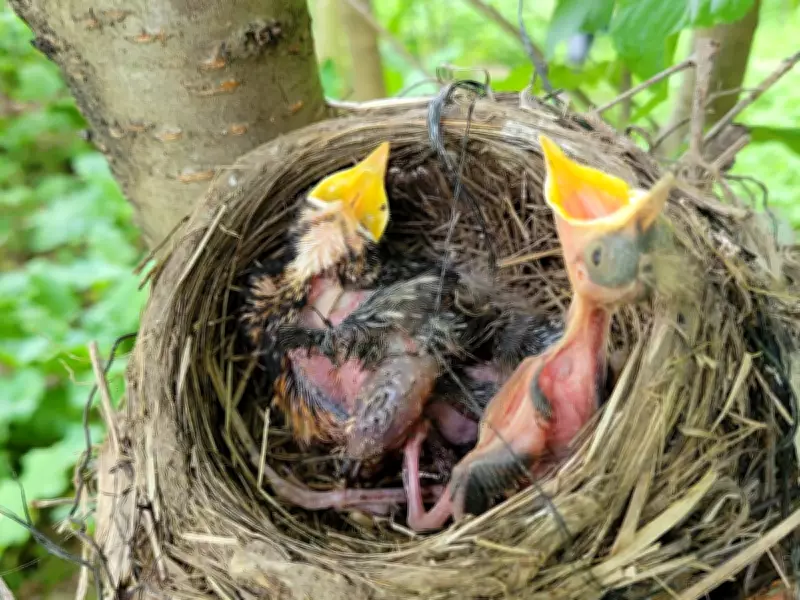
The spring season creates a magical atmosphere in parks and gardens. Amid blossoming jasmine and the refreshing scent of rain, you might encounter tiny, flying balls of feathers on your sidewalk. The sight tugs at the heartstrings of any animal lover. The first reaction is often to scoop the bird into a bag and search for a shoebox. However, some experts believe that such "rescue" may actually be an accidental kidnapping.
Understanding Bird Development
Knowing the lives of the birds we share our space with is the first step toward becoming a responsible steward of the natural world. Most people assume that if birds are on the ground and unable to fly, they are suffering. For many species, the ground can be a temporary place to learn. To assist these animals effectively, it is essential to distinguish between genuine emergencies and a normal rite of passage.
Nestling vs. Fledgling
Before reaching out for assistance, it is important to identify the bird's stage of development. Imagine the difference between a child sleeping in a crib and a teenager learning to drive. Nestlings are the "toddlers." They are usually pink-skinned, transparent, or covered with patches of down. They are not strong enough to grip a branch and definitely cannot survive without the nest. If you spot a nestling on the ground, it likely fell or was pushed by a sibling or predator.

Fledglings, on the other hand, are the "teenagers" of the bird world. They are fully feathered, although their tails may appear somewhat stubby. They leave the nest to learn how to hop, fly, and forage on the ground. According to a study in The Oxford Academic, several species of songbirds benefit from higher survival rates after leaving the nest before five days old, as this reduces the chance of a predator wiping out the entire brood in one location. The "fledgling period" is a crucial developmental phase, and parents typically watch from a nearby tree, ready to feed their young. Resist the urge to intervene unless signs of distress are clear, as parental care is usually nearby. Observation is key to responsible wildlife stewardship.
When to Intervene: Signs of True Distress
Although most ground-dwelling bird species do well on their own, there are instances where human intervention may be necessary. If you see blood, obvious injuries, or a wing drooping at an unusual angle, the bird requires expert assistance. A healthy bird should be alert and able to fly away from you. If the bird is frightened, turns its head at odd angles, or feels cool to the touch, it may be injured or ill.
Temperature is an important health indicator. Birds typically have a higher resting body temperature than humans, around 104°F. If a bird feels cold in your palm, its body may be shutting down. In such cases, place the bird in a breathable box with soft fabric and contact a local rehabilitation center. If you suspect a cat has bitten the bird, seek urgent antibiotic treatment from a specialist, as cat saliva contains bacteria that can be fatal to small birds.
Debunking the Human Scent Myth
One of the oldest myths in nature is that bird parents abandon their young if a human has touched the nest. This old wives' tale has likely caused many unnecessary deaths. The truth is that most birds have a poor sense of smell. They are far more focused on raising their young than on being offended by human scent.
If you find a nestling on the ground, the most helpful action is to locate the nest and return the bird. If the nest is too high or damaged, you can create a makeshift nest using a small wicker basket or a plastic container with drainage holes. Attach this container to the original tree as close to the nest site as possible. Parents will hear the chick's calls and continue feeding it.
By taking a few moments to observe instead of rushing to rescue, you give those young birds the best chance at a full and wild life. Sometimes, the most effective way to help nature is simply to step back and let it do its work.