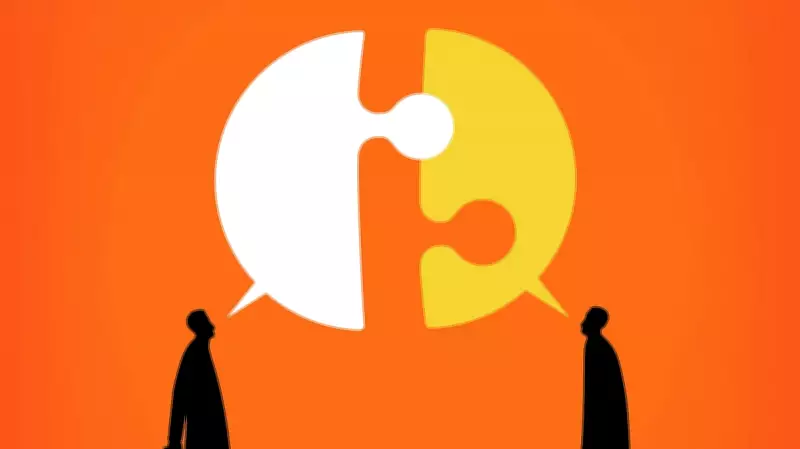
In the past, political differences were often seen as mere opinions, something to discuss and then set aside. Today, however, these disagreements have taken on a much more personal tone. The phrase 'It's not you, it's your politics' has become increasingly common, reflecting a shift where political beliefs are now seen as a core part of a person's identity, and opposing views are perceived as personal attacks.
The Changing Nature of Political Discourse
Earlier, people could disagree on policies or leaders without it affecting their personal relationships. Arguments were about ideas, not character. But in the current climate, political alignment has become intertwined with moral values and personal worth. A person's stance on issues like climate change, immigration, or healthcare is often taken as a reflection of their entire worldview. This has led to a breakdown in communication, with many choosing to end friendships or avoid family gatherings to escape political debates.
Impact on Relationships
Relationships are suffering as a result. According to psychologists, the personalization of politics creates a 'tribal' mentality where those with different views are seen as outsiders. This can lead to anxiety, stress, and even depression, as individuals feel isolated from loved ones. Social media amplifies this effect, as algorithms create echo chambers that reinforce existing beliefs and demonize opposing ones.

- Friendships: Many people report losing friends over political disagreements, with some even blocking or unfriending them on social media.
- Family bonds: Holiday dinners have become battlegrounds, with relatives avoiding certain topics to keep the peace.
- Workplace dynamics: Colleagues may avoid collaboration or gossip about others' political leanings, harming productivity and morale.
Mental Health Consequences
The constant exposure to political conflict can take a toll on mental health. Studies show that people who engage in frequent political arguments are more likely to experience anxiety and depression. The fear of being judged or ostracized for one's beliefs can lead to self-censorship and social withdrawal. Therapists report an increase in clients seeking help for relationship issues stemming from political differences.
How to Navigate Political Differences
Experts suggest several strategies to maintain relationships despite political divides. First, focus on shared values rather than differences. Second, practice active listening without interrupting or judging. Third, set boundaries by agreeing to disagree on certain topics. Finally, remember that a person's worth is not defined by their political affiliation. By separating identity from ideology, it is possible to preserve bonds while respecting diverse perspectives.
In conclusion, the trend of politicizing personal relationships is a concerning development. As the article by Namrata Sindwani highlights, it is essential to recognize that political beliefs are just one aspect of a person. By fostering empathy and open communication, we can bridge the gap and rebuild connections that transcend politics.