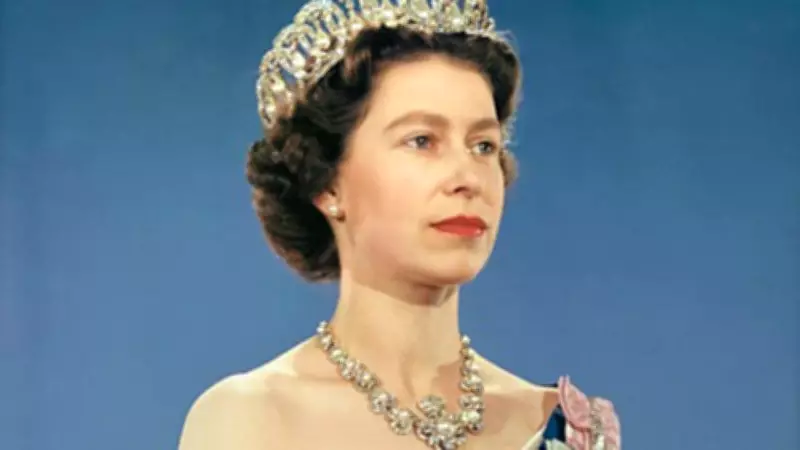
We are told, more or less constantly, that happiness is something you get. Buy the thing, win the prize, land the promotion, treat yourself. Queen Elizabeth II spent more than ninety years watching people from one of the most unusual vantage points on earth, and she came to almost the opposite conclusion. The happiest people she had ever met were not the ones grabbing the most for themselves. They were the ones giving the most away. Not money, necessarily, but time, attention and care. It is a gentle line, easy to nod at and forget. It also happens to match what researchers keep discovering about what actually makes a life feel full.
Quote of the day by Queen Elizabeth
"Over the years, those who have seemed to me to be the most happy, contented and fulfilled have always been the people who have lived the most outgoing and unselfish lives"
The moment behind the words
The Queen said this in her Christmas broadcast in 2008, and the timing was no accident. That was the year the global financial crisis hit, when banks wobbled, savings shrank and millions of people suddenly felt their security slipping away. Into that anxious mood, she offered something steadier than a stock tip. In the same broadcast she spoke about courage in hard times, saying that the brave do not lie down and accept defeat, but push harder for a better future. And she pointed to where lasting contentment really comes from, telling her listeners that genuine happiness lies more in giving than receiving, more in serving than being served. It carried weight because of who was saying it. By 2008 she had already been on the throne for more than fifty years, having pledged at the age of twenty one to spend her whole life in service to others. She was not handing out advice she had never tried. She had lived it for decades.

What is the meaning of the quote by Queen Elizabeth
The heart of the quote is a simple swap. Turn your attention outward, toward other people, rather than spending your life circling your own wants. An outgoing life, in her sense, is one pointed at the world. You notice other people, you involve yourself in their lives, you make yourself useful. An unselfish life is one where your own comfort is not the only thing on the scales. The Queen's claim was that these two habits, again and again, seemed to produce the people who were genuinely at peace with themselves. Notice what she did not say. She did not promise that giving makes you rich, or famous, or even thanked. She said it makes you fulfilled, which is a quieter and deeper thing. It is the difference between a life that looks good and a life that feels worth living.
The catch worth remembering
There is one honest caveat, because the quote can be twisted into something harmful if you are not careful. Living an unselfish life does not mean erasing yourself. It does not mean saying yes to everything, burning out, or letting other people walk over you in the name of being good. The research on giving is about generosity that you choose freely and find meaningful, not about martyrdom that leaves you exhausted and resentful. A person who gives until there is nothing left eventually has nothing left to give. So the wiser reading keeps a little balance. Look after yourself enough to stay standing, then turn outward from a place of strength. The Queen lived a life of service, but she also rested, laughed, rode her horses and guarded her private joys. Unselfish was never meant to mean joyless.
How to live it, in small ways
The best thing about this idea is that it costs almost nothing to start, and you do not need a crisis or a crown to do it. Find one small way to be useful each day. The Queen was not talking about grand gestures. A check in call, a bag carried, a bit of help offered before anyone asks. Small acts, done often, add up. Give your time, not just your money. Research keeps finding that handing over your attention and effort lifts your mood more reliably than almost anything you can buy for yourself. When you feel low, try turning outward. It sounds backwards, but getting absorbed in someone else's problem is one of the oldest and most effective ways out of your own head. Choose the kind of giving that fits you. Unselfish does not mean joyless or random. Match the helping to your skills and energy, and you will actually keep it up instead of quietly dropping it.

Queen Elizabeth's simple formula for a contented life
It is striking that one of the most powerful and privileged people of her age, someone who could have wanted for nothing, kept pointing away from wanting. The Queen had seen up close what wealth and status actually deliver, and she still landed on something humbler and harder to buy. The people who seem most content, she said, are the ones who live for more than themselves. She had seventy years on the throne to test that idea against thousands of lives, including her own. The next time happiness feels like something just out of reach, it might be worth trying her method instead of the usual one. Not grabbing for a little more, but giving a little more. By her long account, that is the direction contentment tends to come from.