

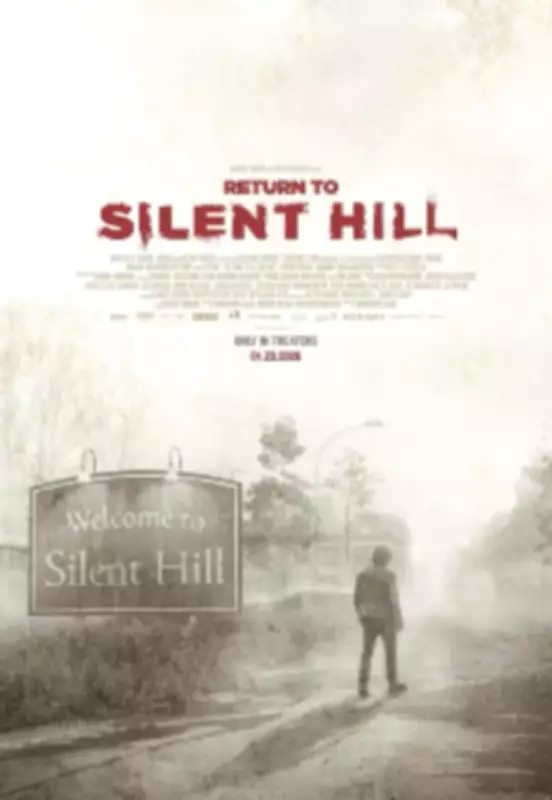
Return to Silent Hill Review: A Cautious Adaptation Lost in Psychological Fog
Released on March 6, 2026, Return to Silent Hill is a 1-hour 33-minute English-language film that blends drama, horror, and mystery genres. Directed by Christophe Gans, who also co-wrote and produced the movie, it serves as a cinematic adaptation of the iconic video game Silent Hill 2. The film has garnered a modest 2.5 rating from both critics and users, indicating a lukewarm reception that reflects its struggles to fully engage audiences beyond dedicated fans of the franchise.
Plot and Narrative Structure
The story follows James Sunderland, portrayed by Jeremy Irvine, as he returns to the eerie town of Silent Hill after receiving a mysterious letter that appears to be from his deceased wife, Mary. Hannah Emily Anderson plays Mary, along with a doppelgänger figure that complicates James's perception of reality. The narrative delves into themes of guilt, grief, and psychological reckoning, staying true to the game's core premise while attempting to translate it into a cinematic format.
James's journey is interspersed with fragmented memories of his past, slowly revealing the disturbing truths behind his loss. Supporting characters like Laura, played by Evie Templeton, add to the unsettling atmosphere but fail to leave a lasting impact. The film's structure, which shifts between present and past, often feels uneven, with emotional turns that lack sufficient build-up, leaving viewers in a state of uncertainty without providing clarity.

Direction and Writing Analysis
Christophe Gans aims for a psychological horror approach rather than a loud, jump-scare-driven genre piece. The focus is squarely on James's emotional burden and how the town mirrors his inner turmoil. However, the execution falls short in several key areas:
- Pacing Issues: The film's slow pacing tests audience patience, with sequences that feel unnecessarily stretched.
- Repetitive Elements: Conversations and confrontations are repeated with similar emotional notes, diminishing their impact over time.
- Superficial Exploration: While themes of loss and self-deception are present, they are not fully explored, resulting in a narrative that feels restrained to a fault.
The screenplay lacks sharpness in moments that demand deeper emotional resonance, ultimately softening the film's overall impact. Despite its ambition, Return to Silent Hill struggles to match its serious intent with a compelling storytelling framework.
Performance Evaluation
Jeremy Irvine delivers a committed performance as James, portraying him as a withdrawn and guarded man. His restrained approach works in scenes requiring subtlety but limits the character's emotional range, making it difficult for audiences to fully connect with his journey. Hannah Emily Anderson brings a stillness to her dual roles, though the script does not provide her with enough material to develop a powerful arc.
The supporting cast, including Evie Templeton, contributes to the film's uneasy tone but fails to make a significant impression. Overall, performances across the board feel subdued, with few moments that break through on an emotional level. The effort is evident, but the results are mixed.
Final Verdict and Audience Appeal
Return to Silent Hill is a cautious adaptation that honors the psychological foundation of its source material while struggling to translate its depth into a satisfying film experience. For fans of the original game, there is value in seeing this interpretation on screen, as it captures the atmosphere and themes of guilt and grief. However, for general audiences, the film may come across as a serious but distant horror drama that never quite reaches the emotional intensity it aims for.
The film is not a complete failure; it maintains a steady atmosphere and serious tone throughout. Yet, its shortcomings in storytelling and character depth hold it back from delivering on its psychological promise. If you are a dedicated Silent Hill enthusiast, it might be worth a watch, but others may find its slow pacing and thin emotional payoff underwhelming.

